Our Company, a Pioneer in the Defense Industry
As a leading company in the defense industry, we strive to be a recognized and trusted brand at the international level. Our mission is to maintain a leadership position in the defense sector by providing superior quality and innovative solutions and contribute to the security of our customers.
We offer top-level products and services using the latest technologies in the defense industry, with our team of experienced engineers, designers, and defense experts. We prioritize R&D activities and constantly innovate to develop solutions that meet defense needs. Our product portfolio includes customizable defense systems for land, air, and sea platforms. Our advanced electronic and software solutions aim to meet our customers' needs with the best security measures and durability in their class.
Quality and reliability are the cornerstones of our company. We implement strict quality control procedures to meet and exceed defense industry standards. We work diligently to provide our customers with reliable, high-performance, and long-lasting products. Customer satisfaction is at the heart of our business. We establish close collaborations to understand our customers' needs, respond quickly, and provide customized solutions. By maintaining a customer-focused approach, we develop long-term partnerships with our customers and make a lasting impact as a strong ally in meeting their security needs.
We are firmly committed to ethical values and fully comply with laws, regulations, and international standards in our operations. We manage our business with principles of honesty, transparency, and responsibility. As a leader in the defense industry, we actively participate in local and global defense projects.
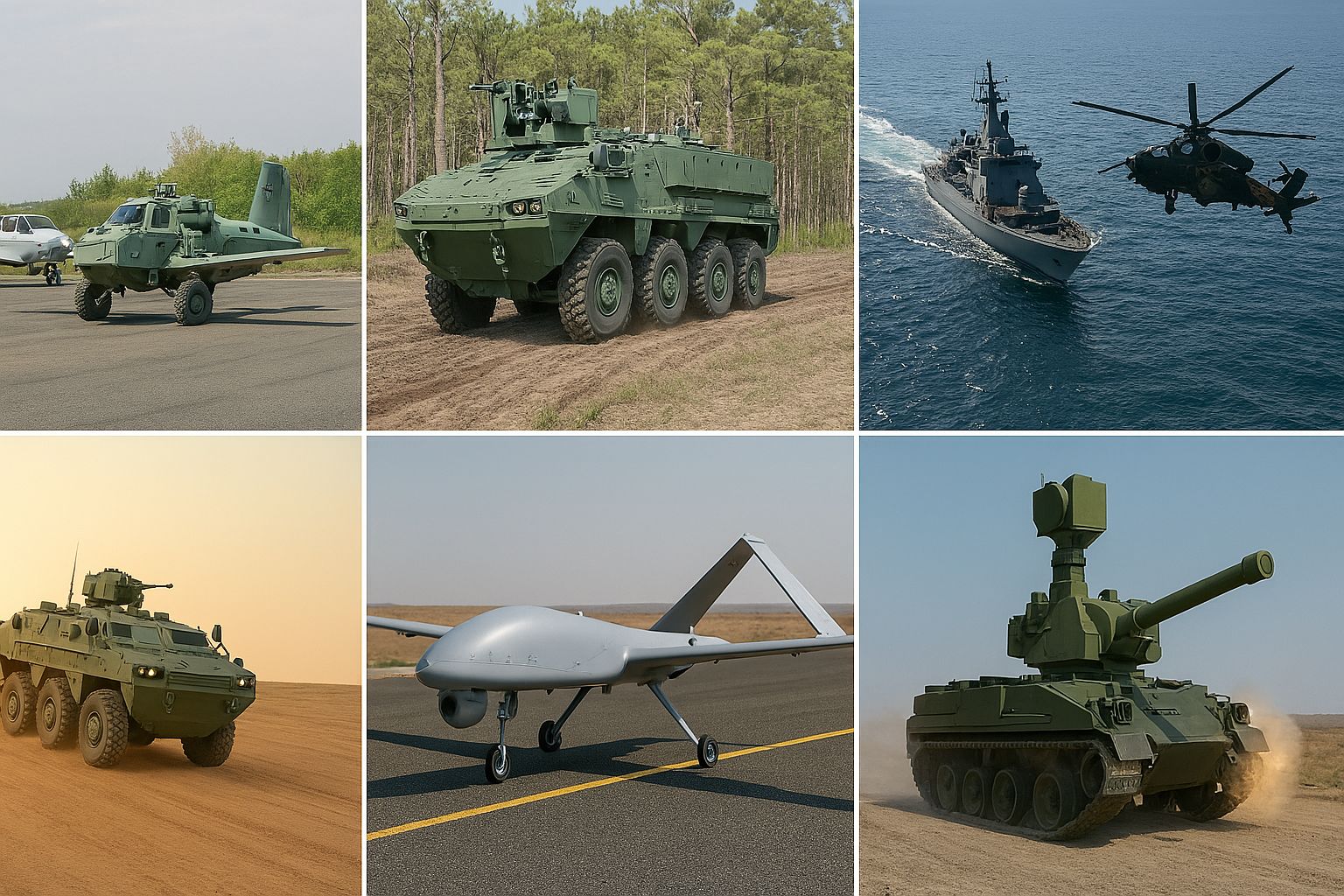
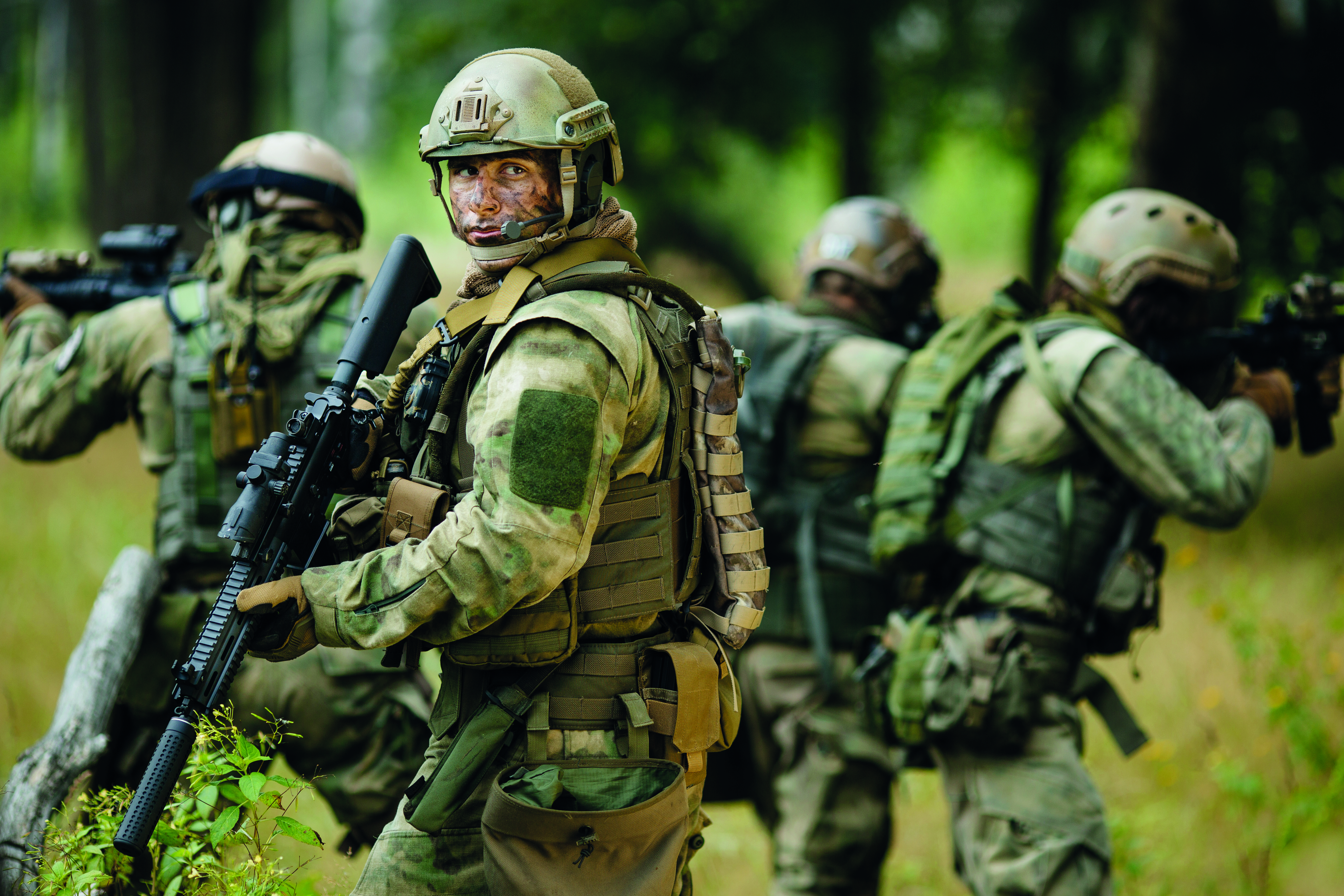
Defense Technologies and Systems: Innovative Solutions in Search of Security
Nowadays, as the world is shaped by rapidly developing technologies, innovations in the defense sector are also keeping pace with this change. The technologies used in the military not only ensure operational success but also provide solutions that maximize security measures. In this context, modern defense systems offer effective strategies and solutions against various threats, adapting to the rapidly changing security environment.
Air Defense Systems
Close Air Defense Systems
The rapid development of military technologies today has increased the importance of close air defense systems. These systems consist of various components designed to provide defense against air attacks. Here are some important components of these systems:
• VTOL Drone Systems
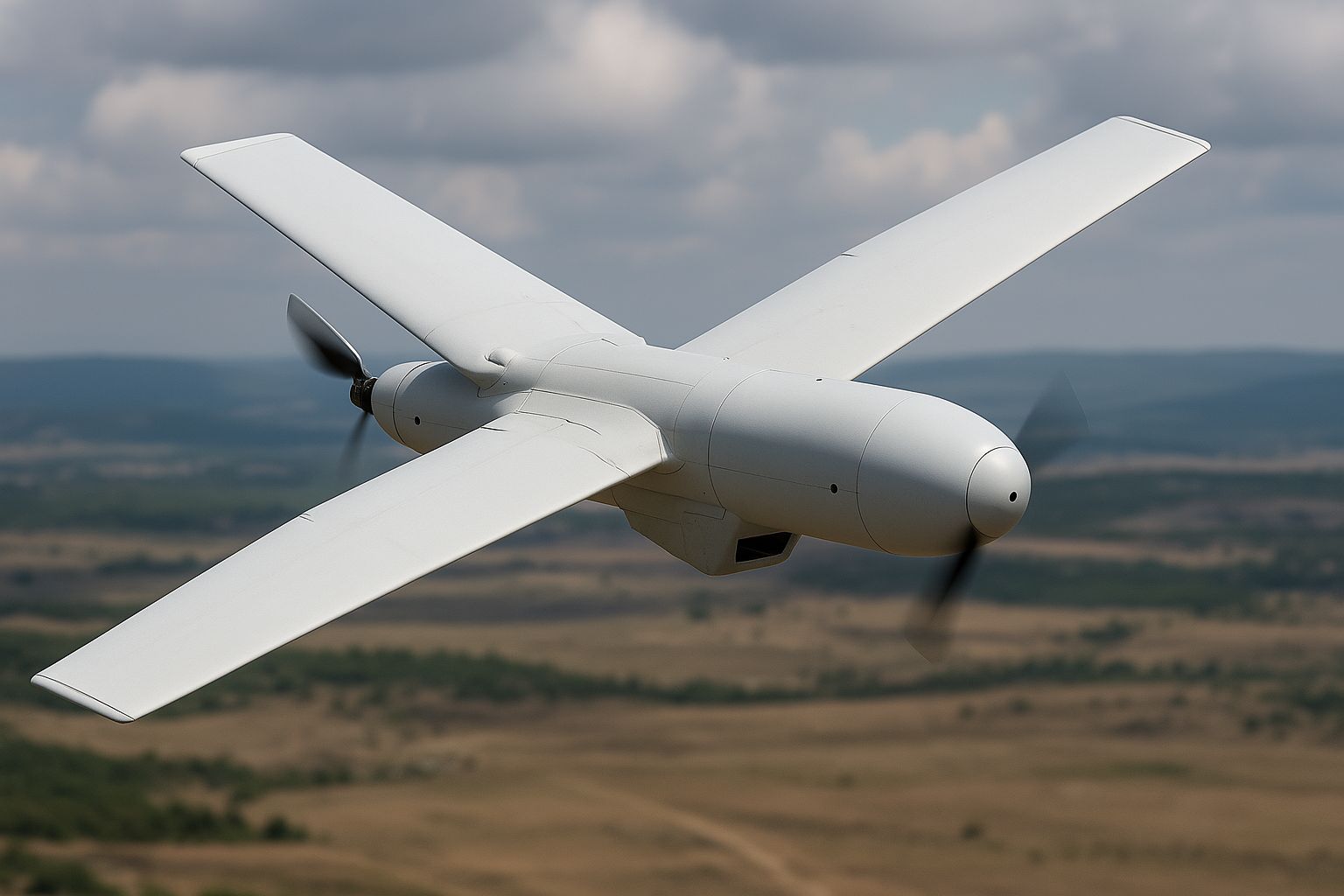
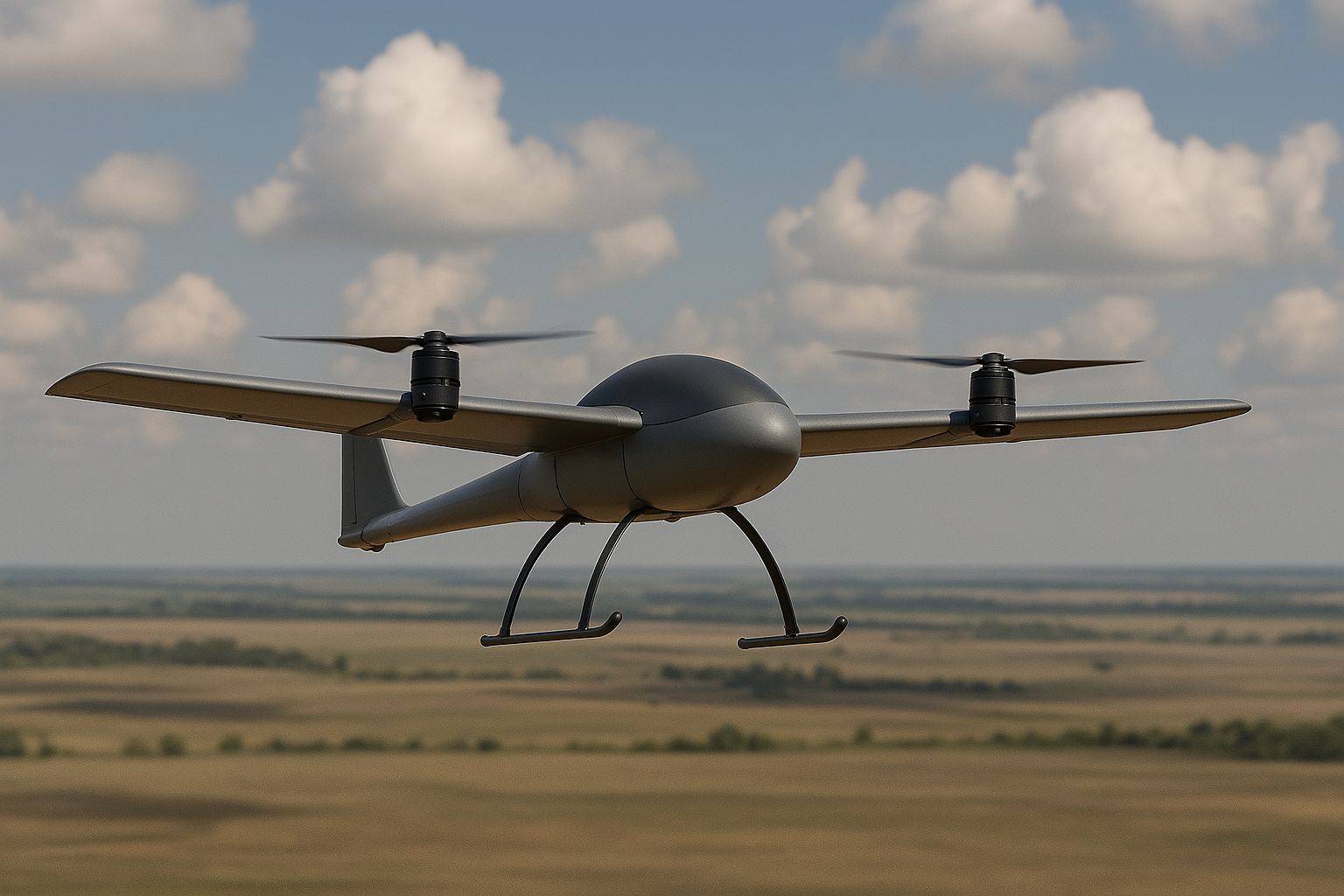
A fixed-wing VTOL drone is an unmanned aerial vehicle that can take off and land vertically (VTOL - Vertical Take-Off and Landing) and also perform horizontal flight like an airplane with fixed wings. These drones can take off and land like a helicopter and then fly forward quickly and efficiently like an airplane.
• Loitering Munition Systems
Loitering munitions are a type of smart weapon that can perform reconnaissance and then self-destruct to attack the target when found. They are often referred to as "suicide drones" or "kamikaze drones."
• Soft Kill Systems
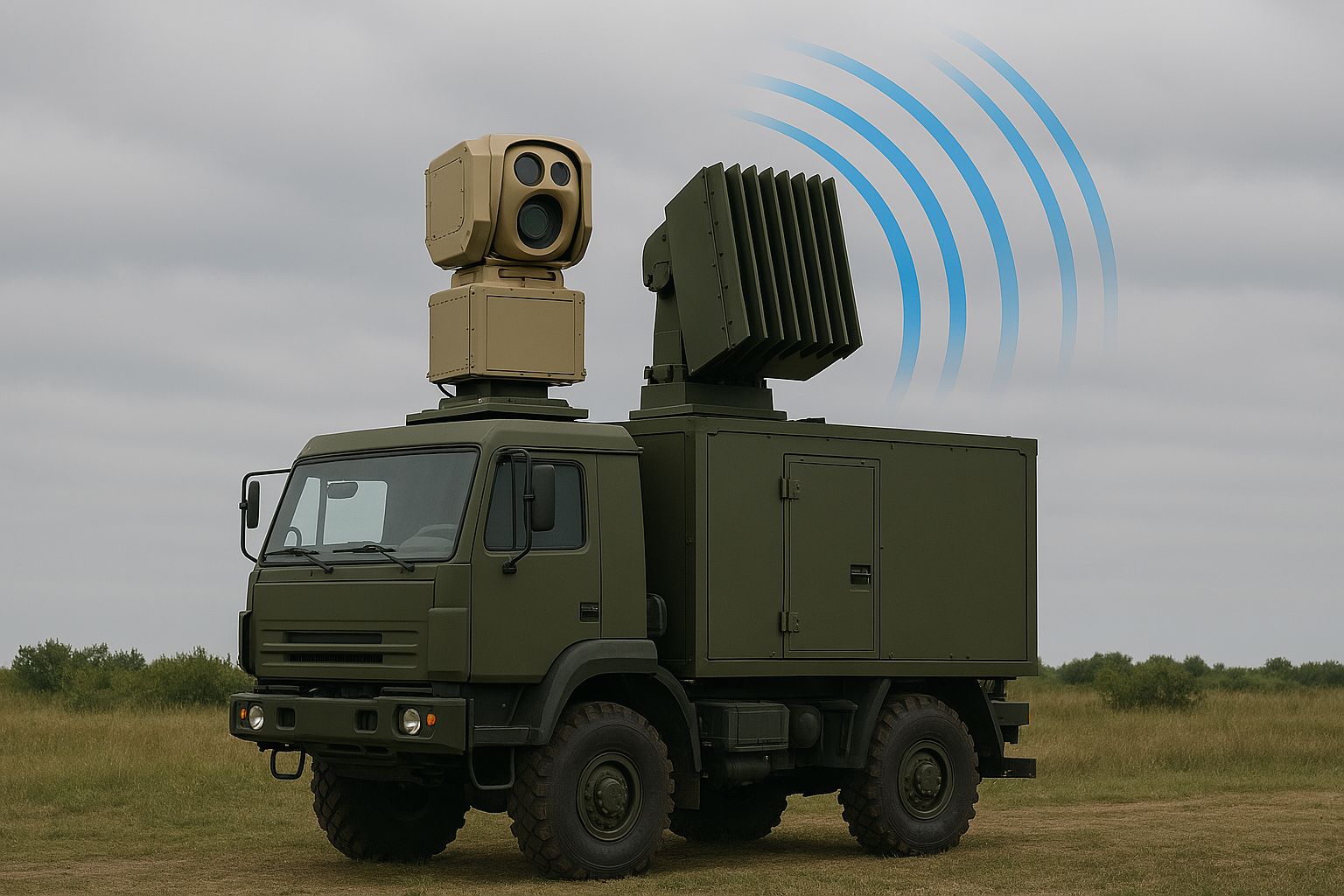
Soft kill systems are methods that neutralize enemy targets by deceiving their systems. These systems include radar countermeasures, decoys, and electronic warfare technologies.
• Hard Kill Systems
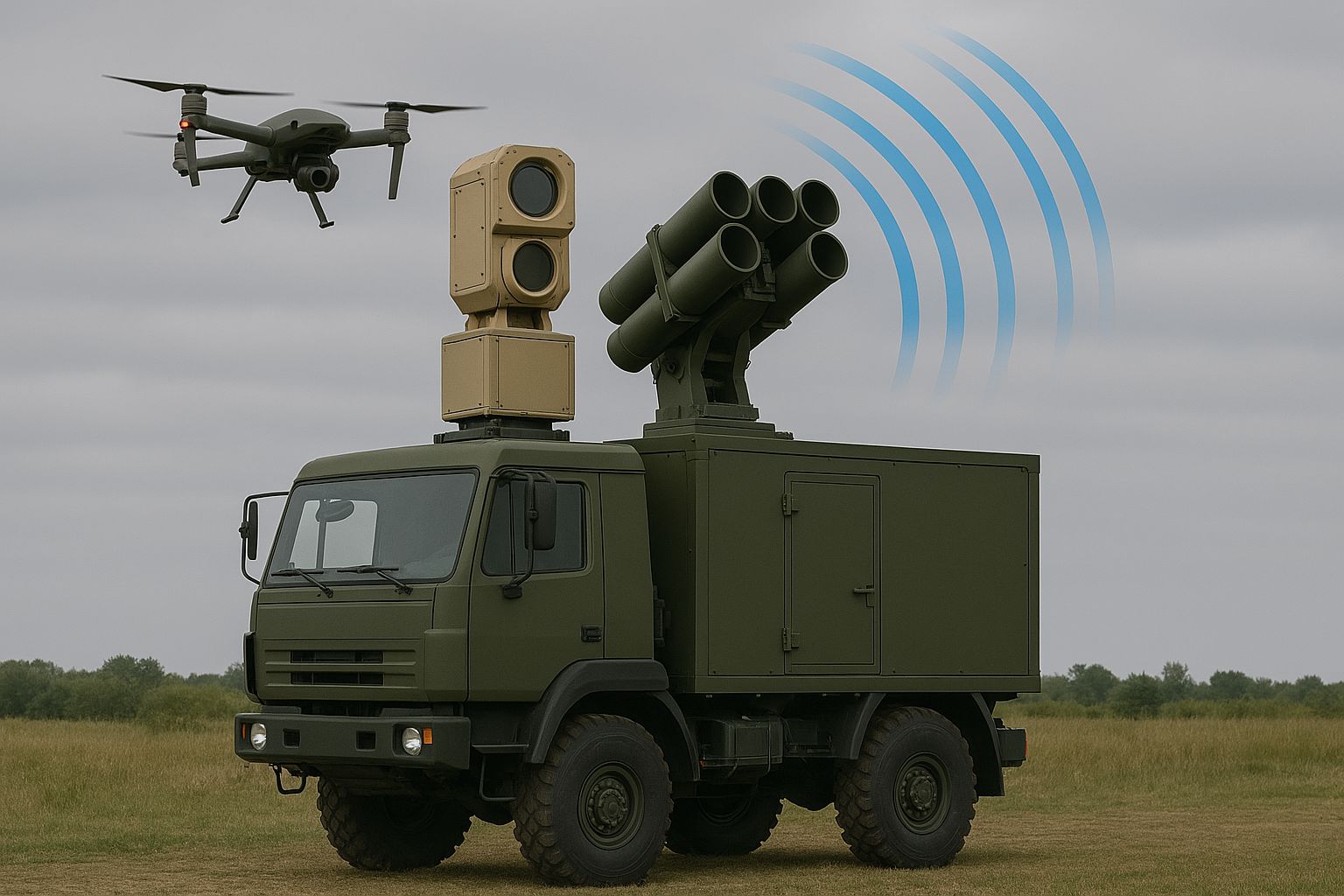
Hard kill systems are weapon systems used to physically destroy enemy targets. Rockets, missiles, and other firearms fall into this category.
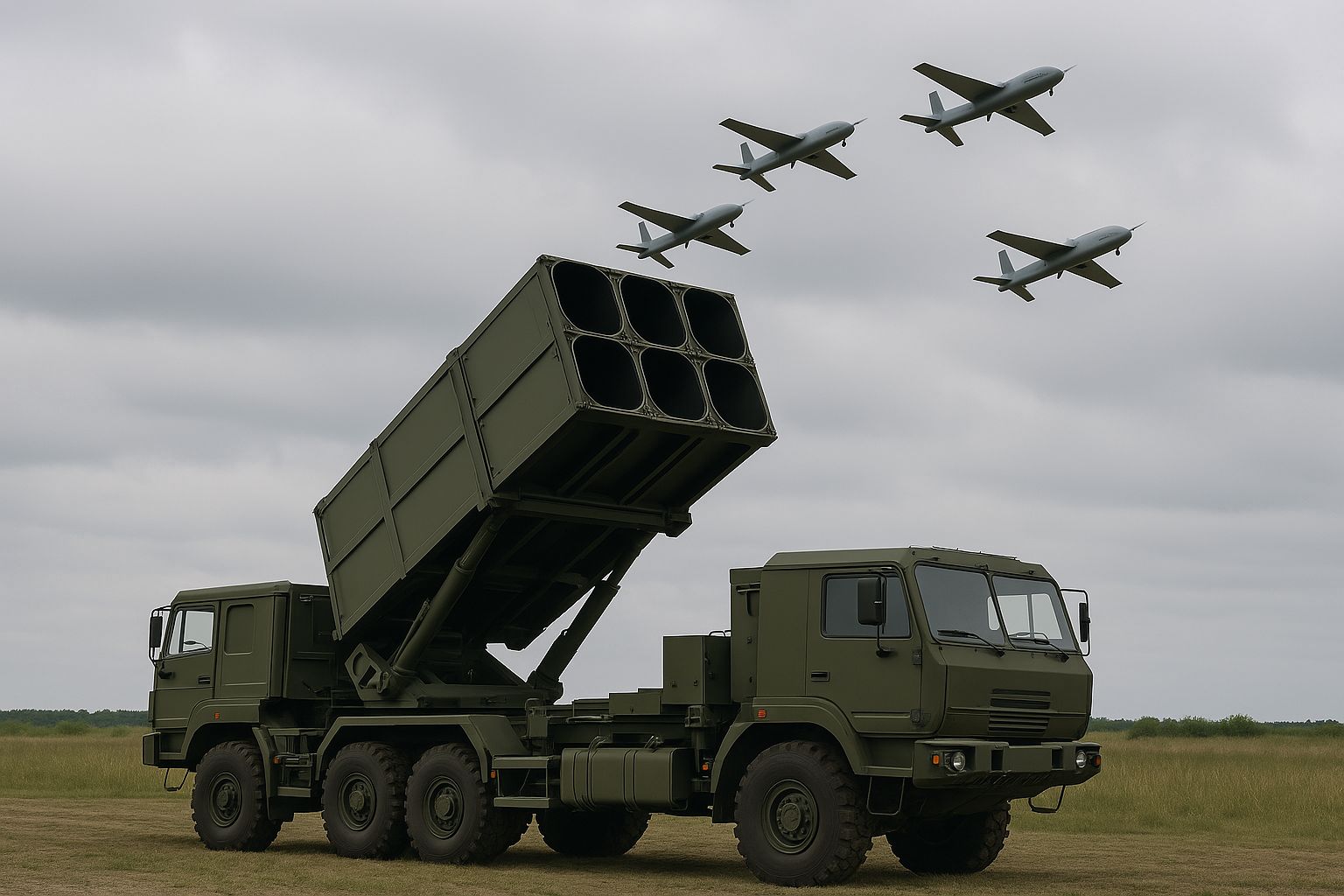
• EOS System (Electro-Optical System)
EOS systems are advanced electro-optical technologies used for target detection and tracking. These systems are equipped with night vision and thermal imaging capabilities.
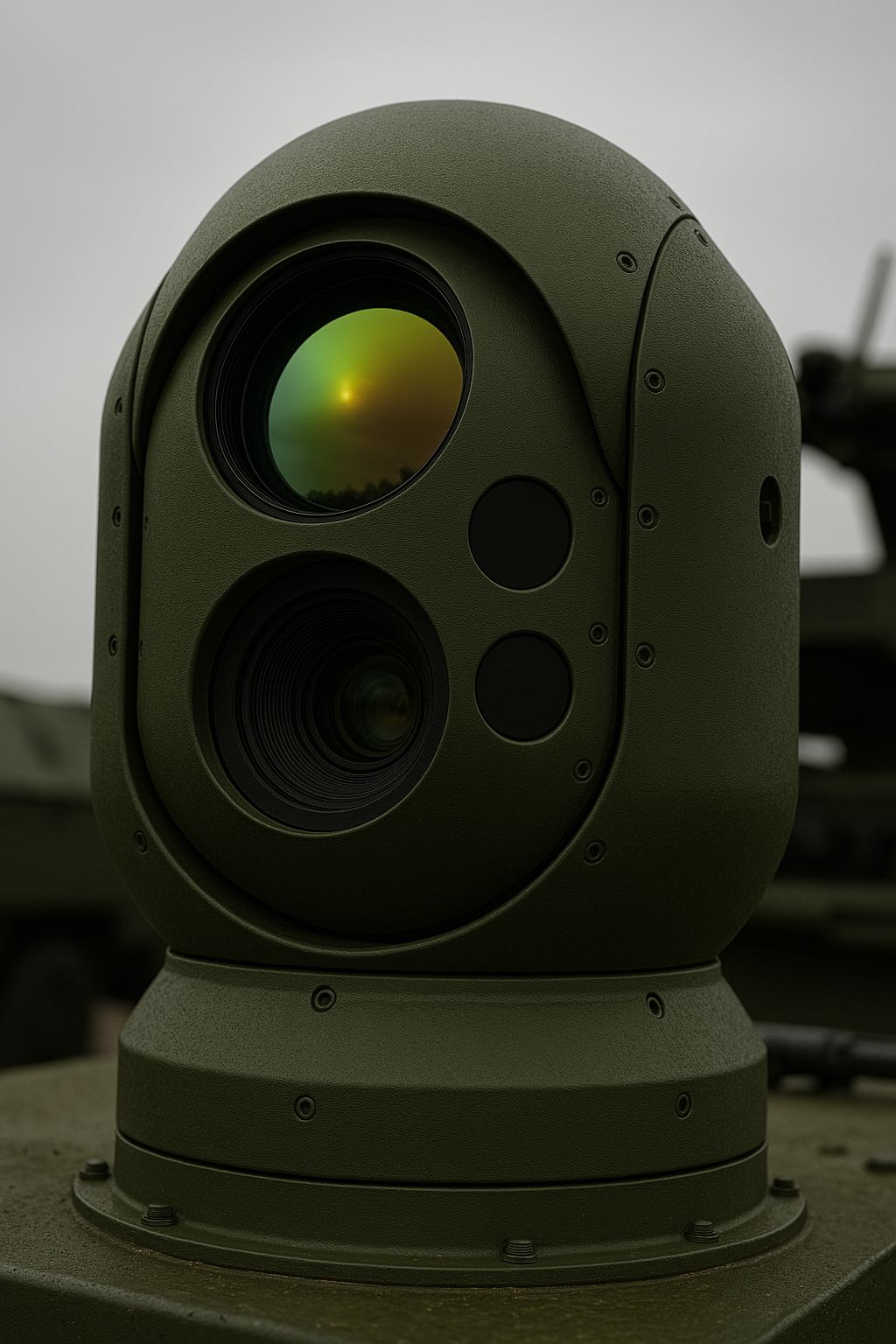
• Radar Systems
Radar systems are used to monitor airspace and detect potential threats. These systems are divided into long-range and short-range radars.
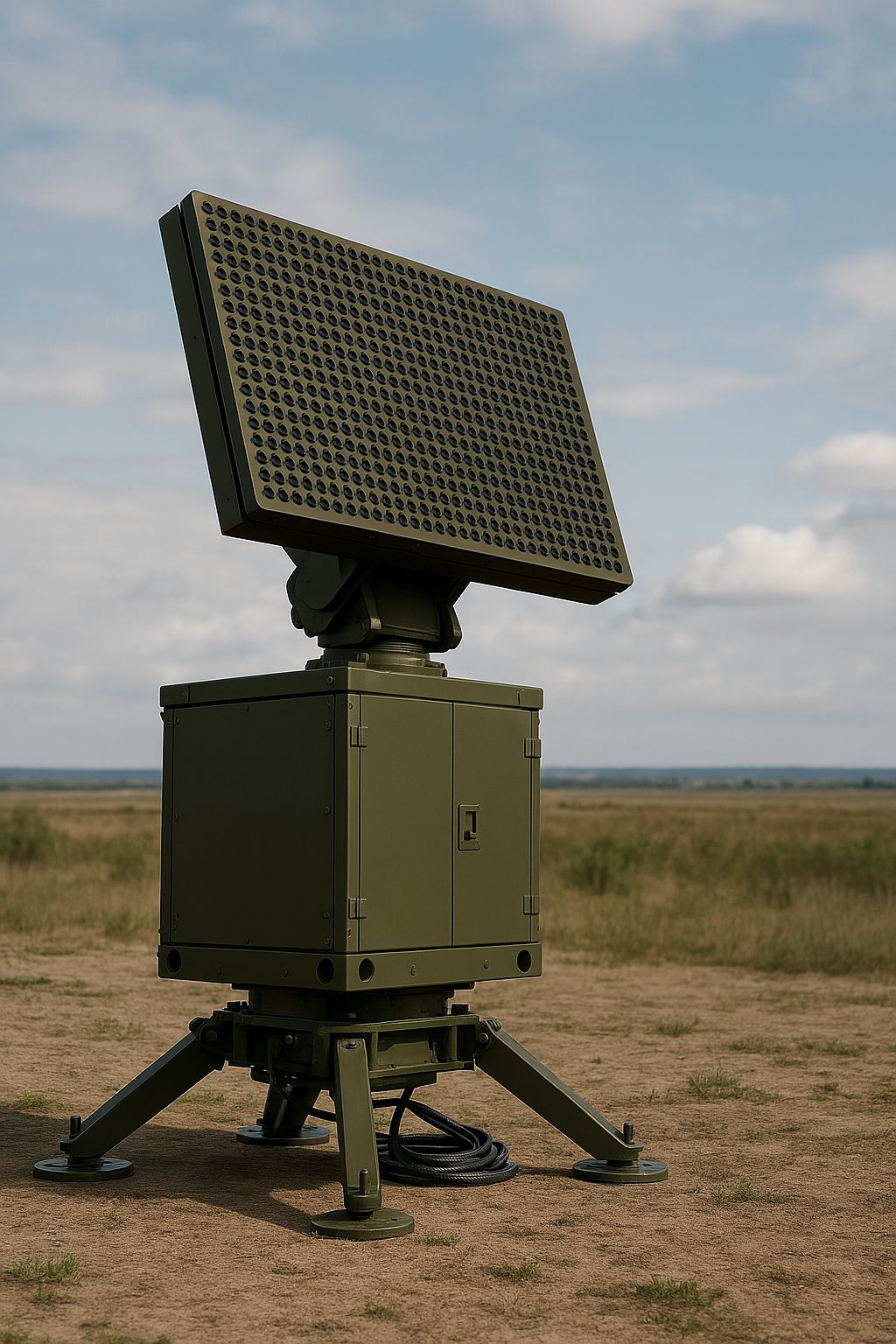
• Jammer Systems
Jammer systems are used to disable enemy radar and communication systems. These systems are equipped with signal jamming technology.
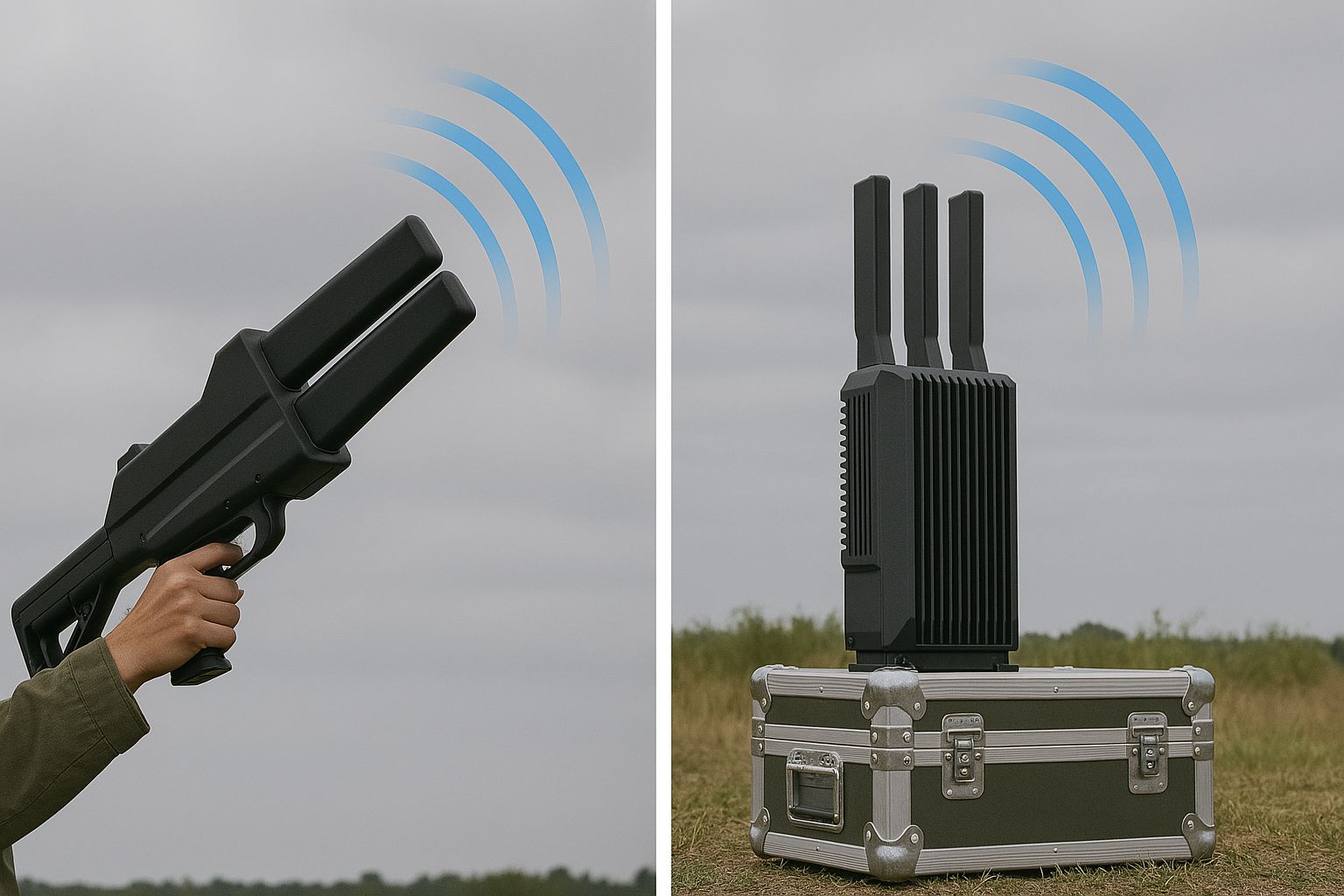
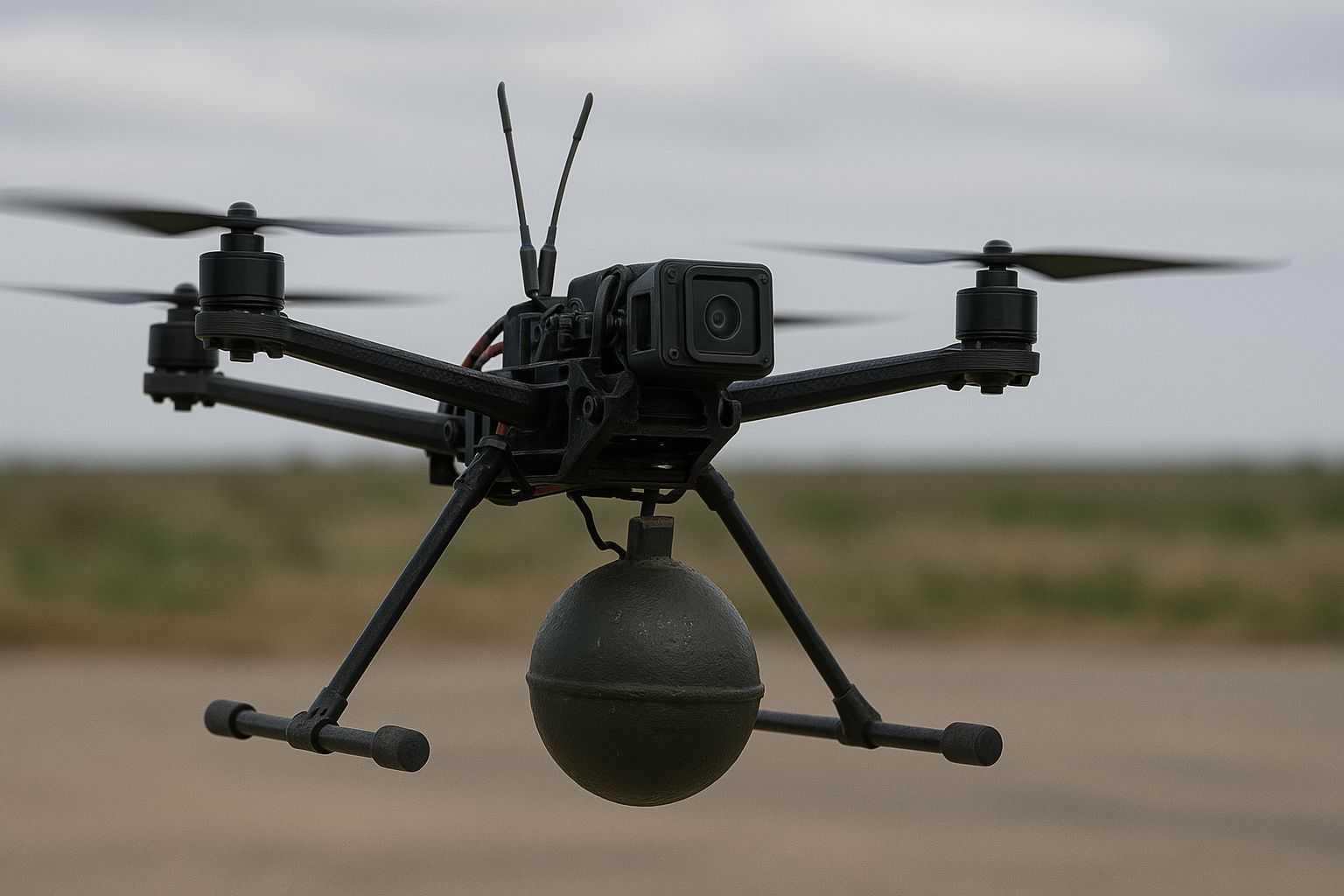
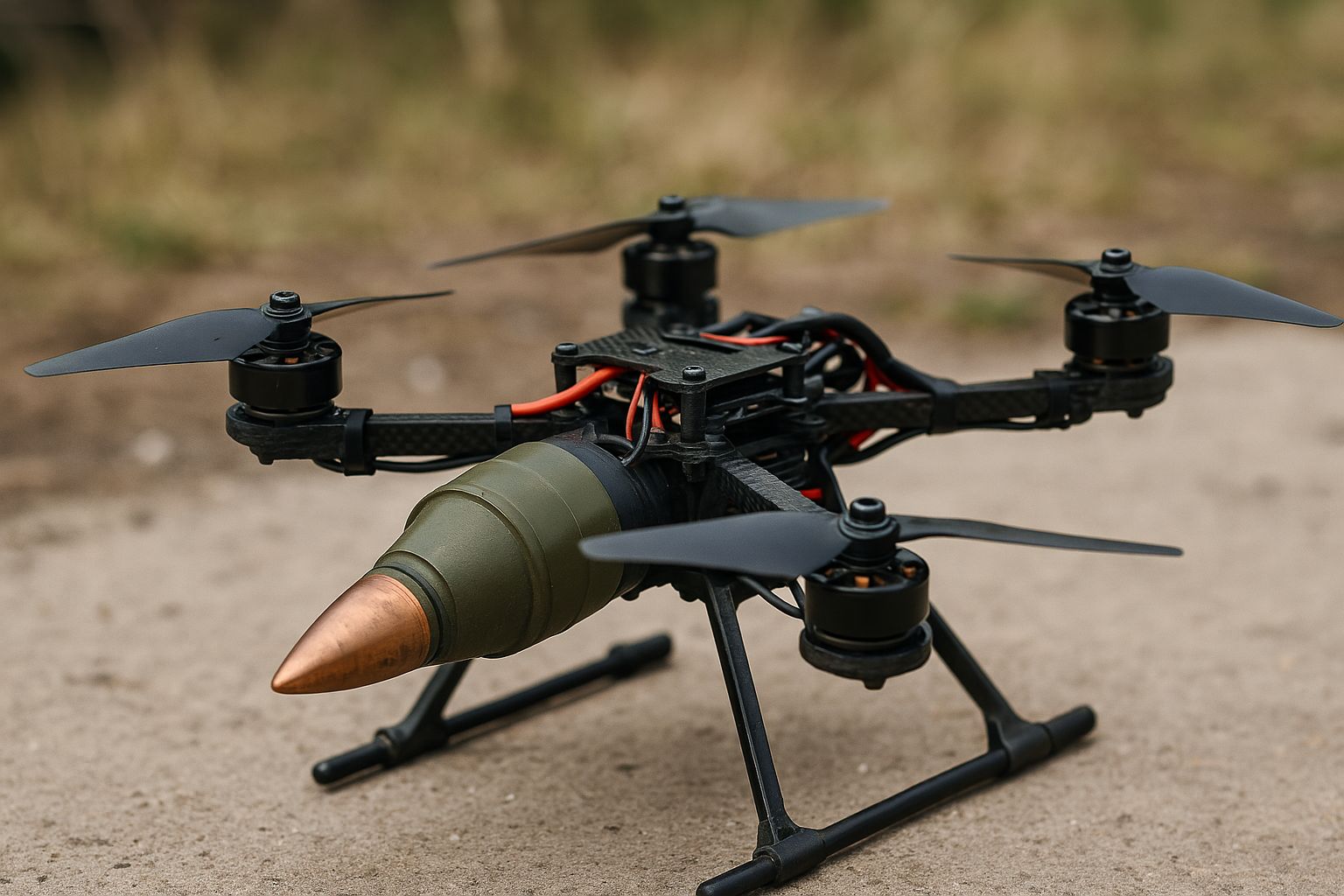
• Kamikaze Drone
Kamikaze drones are unmanned aerial vehicles that are directed towards a target and destroy it upon impact. These systems stand out as low-cost and effective attack tools.
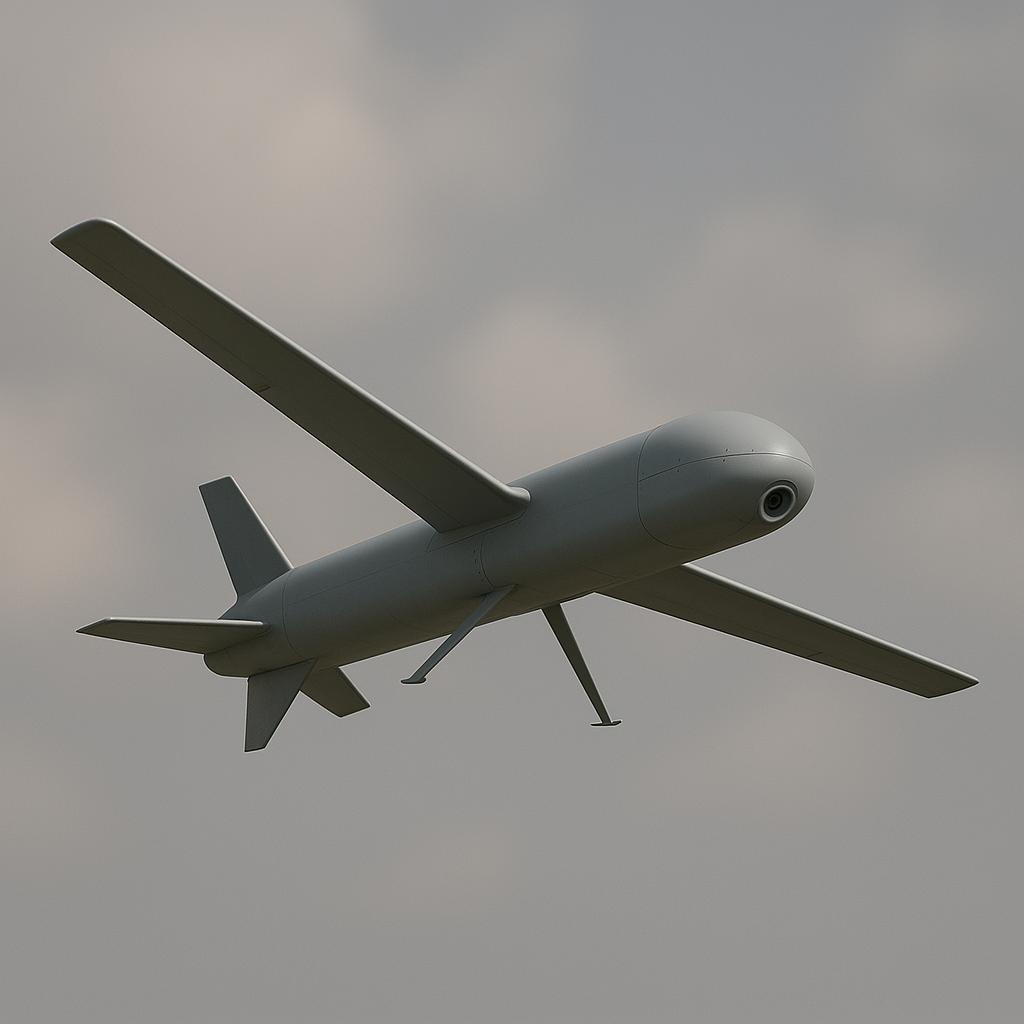
• Loitering Munition
Loitering munition is a type of weapon that waits in a specific area and attacks when a suitable target is detected. These systems can be used against both air and ground targets.
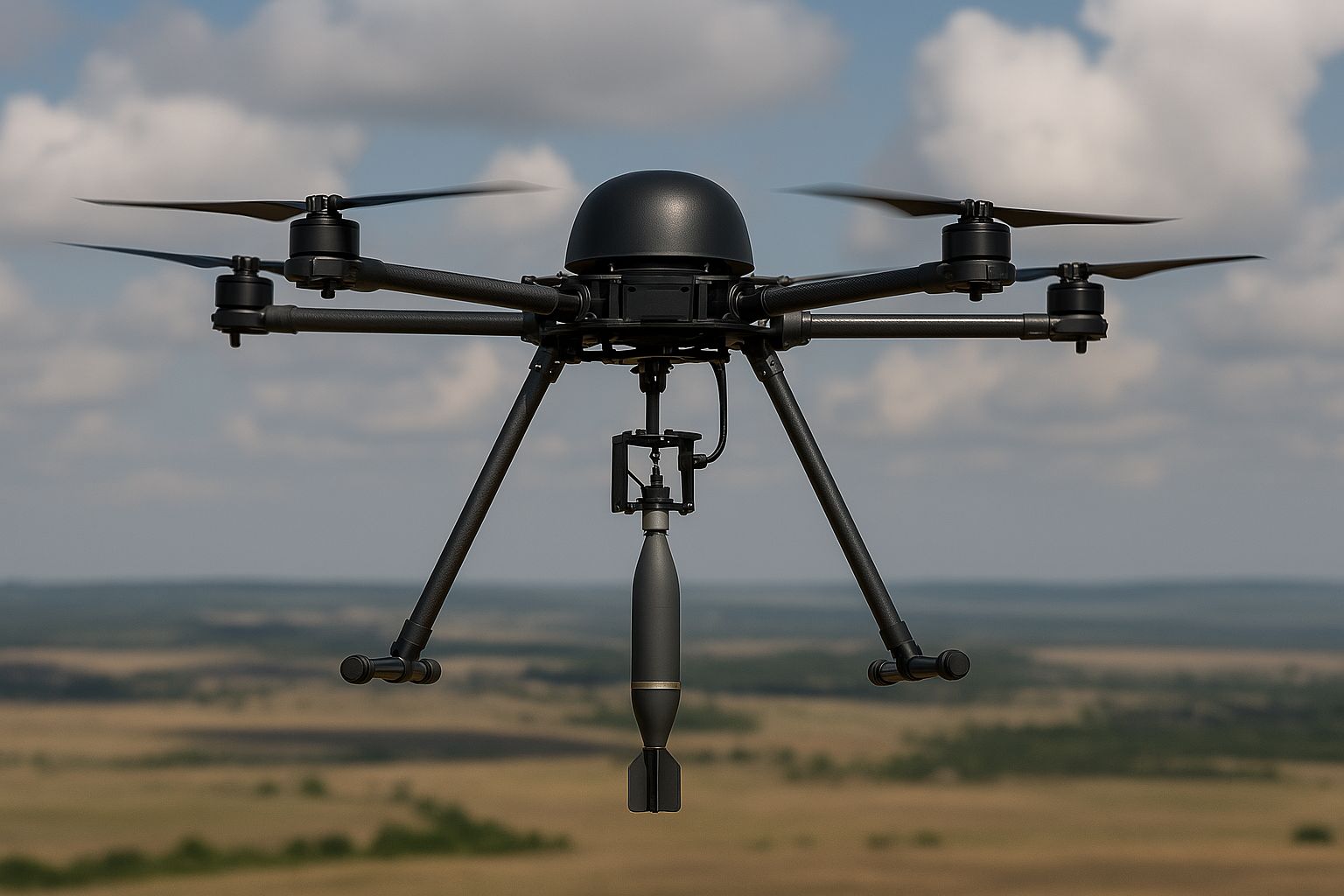
• Mortar Dropper
Mortar dropper systems are platforms capable of dropping munitions from the air. These systems can quickly and effectively attack enemy targets.
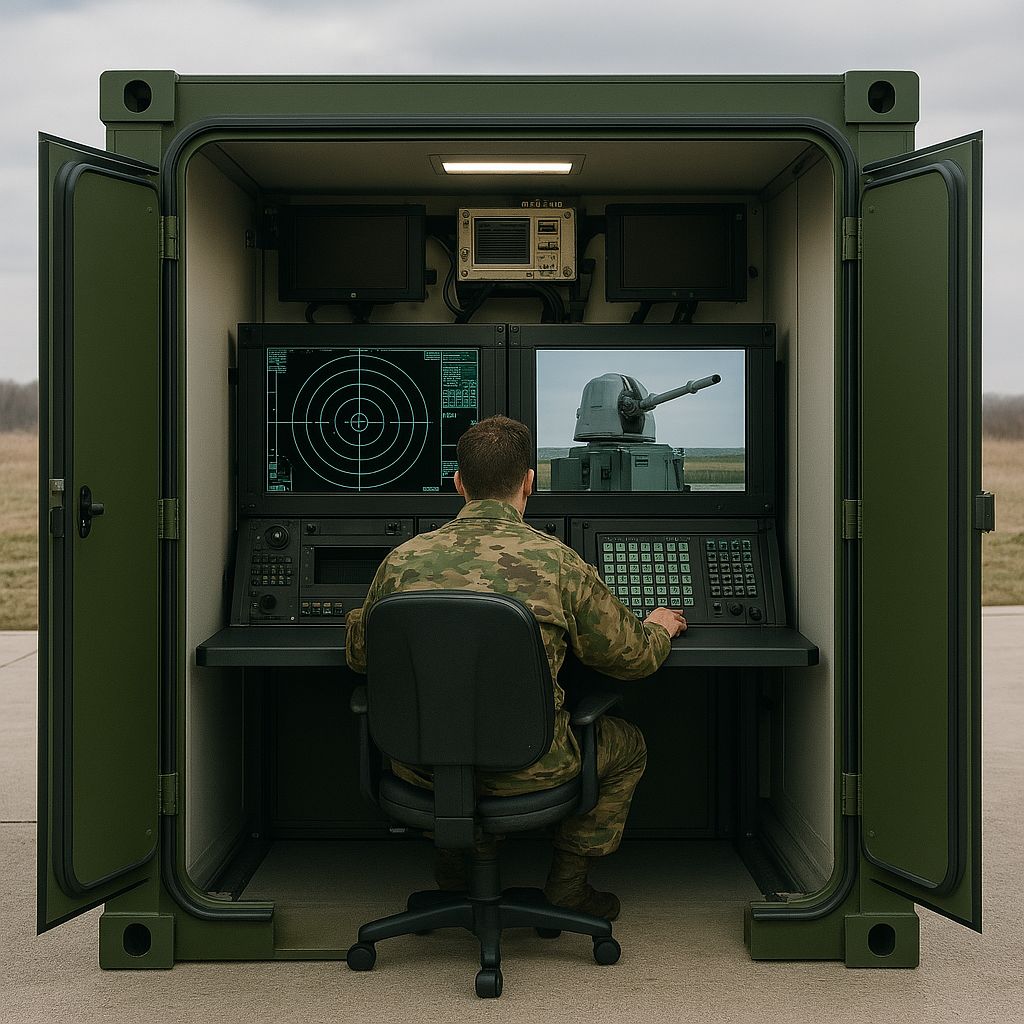
• Command Control Systems
The Command Control unit is a system that manages the deployment and administration of military units, supports decision-making processes, monitors the situation on the field, and manages the chain of command. With this unit, commanders ensure coordination between units, collect and analyze necessary information, and quickly implement operational plans. Additionally, it enhances operational effectiveness through functions like communication, surveillance, and data sharing.
Land Defense Systems
Land defense systems consist of various components designed to protect military forces from terrestrial threats. These systems provide effective defense and resistance against enemy attacks. Here are the main products of land defense systems:
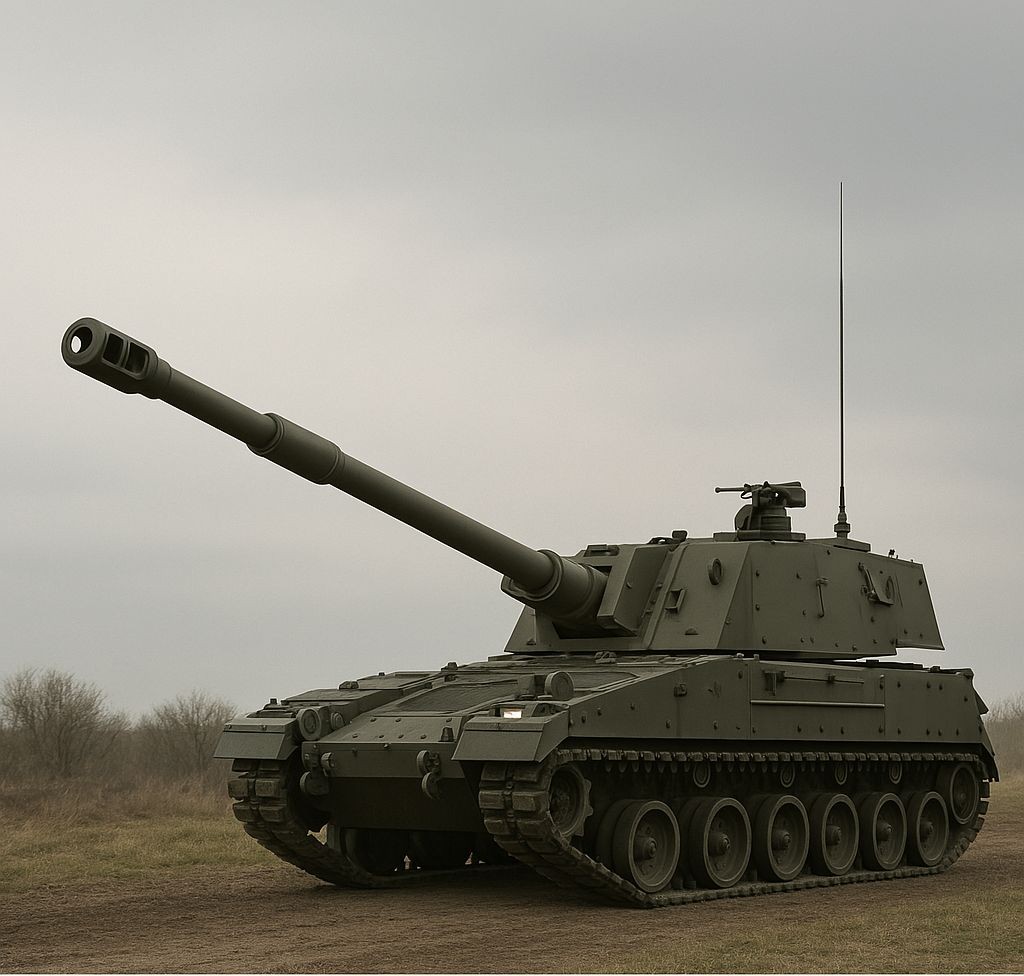
• Artillery Systems
These systems provide long-range fire support and are used as an effective attack tool against enemy targets. Howitzers, field guns, and various artillery systems fall under this group.
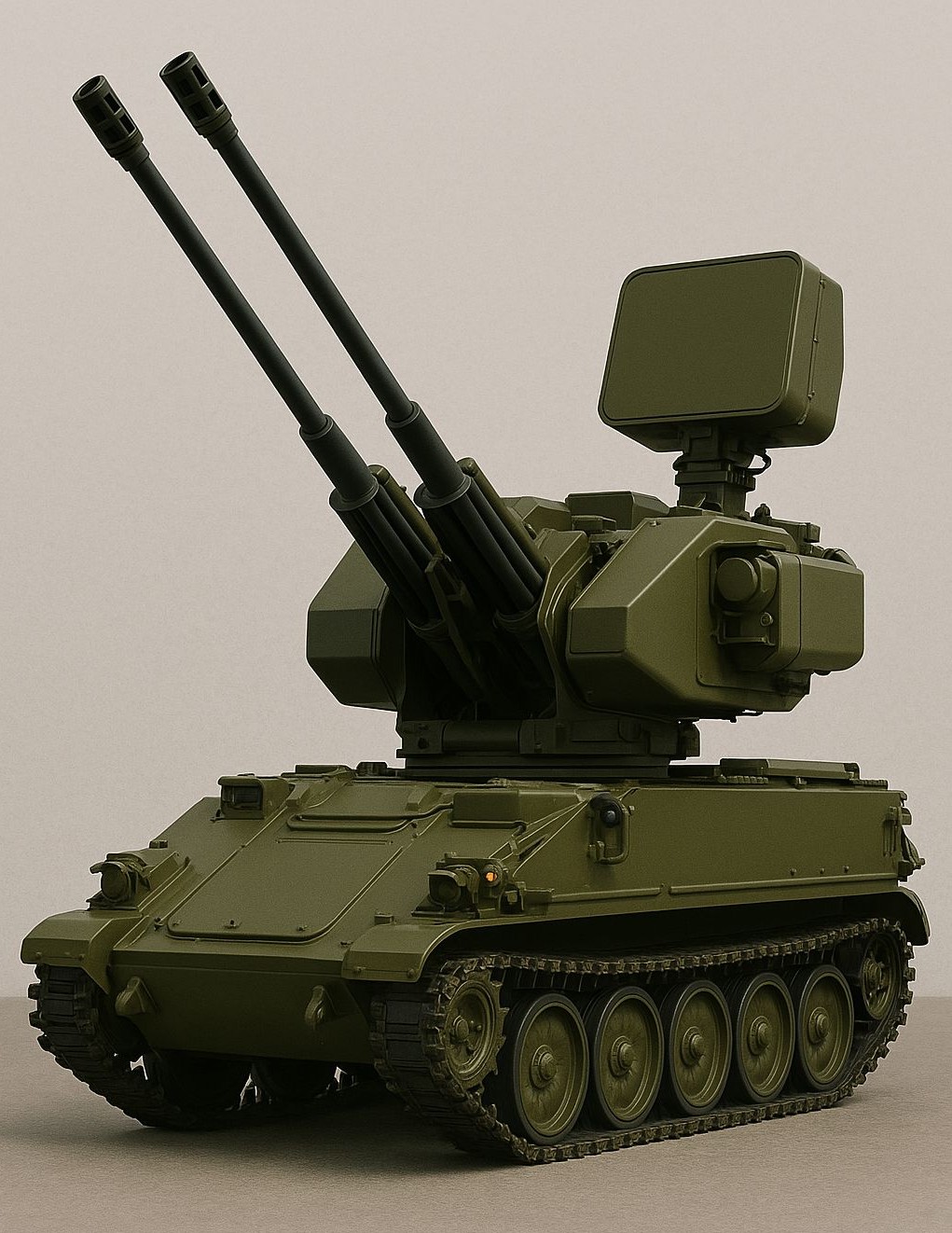
• Air Defense Systems
These systems, equipped with missiles, rockets, and other air defense weapons, provide protection against enemy air vehicles. They include short, medium, and long-range air defense systems.
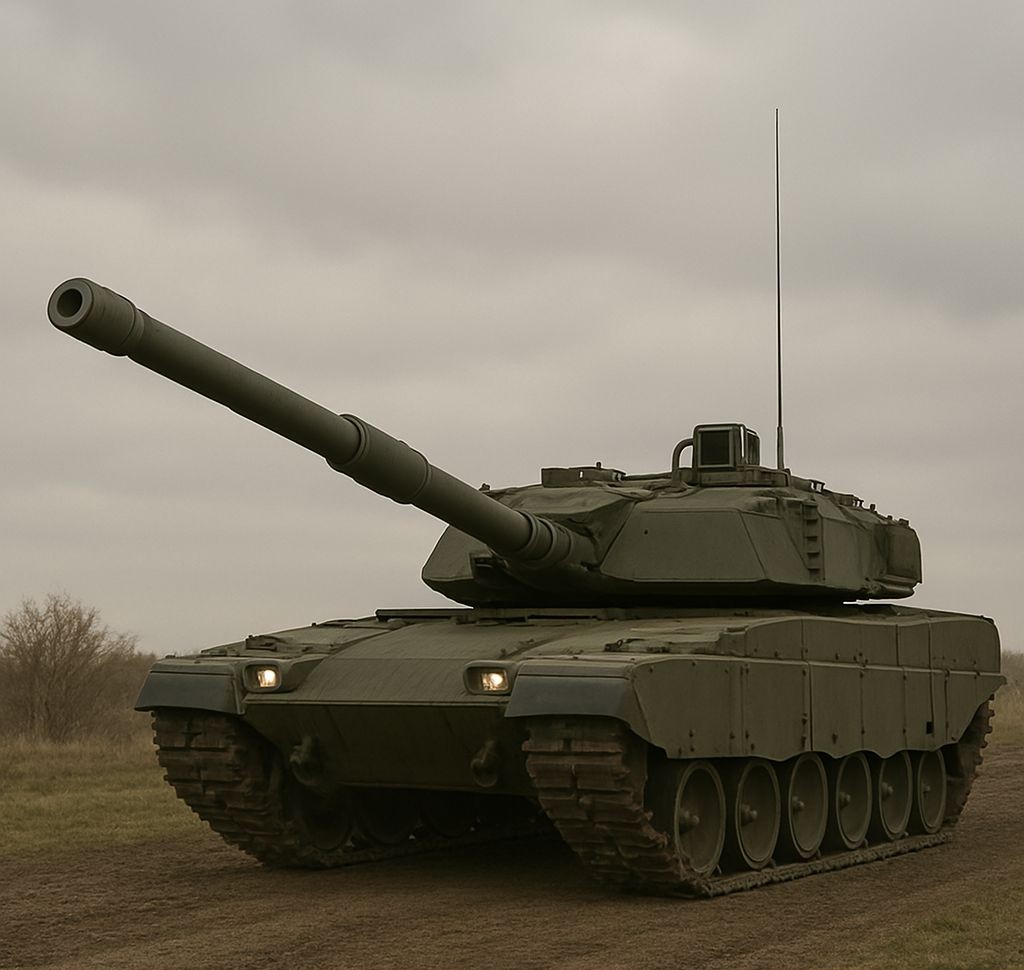
• Tanks
Tanks, one of the indispensable elements of modern warfare, can be used effectively against enemy units with their high firepower and armor protection.
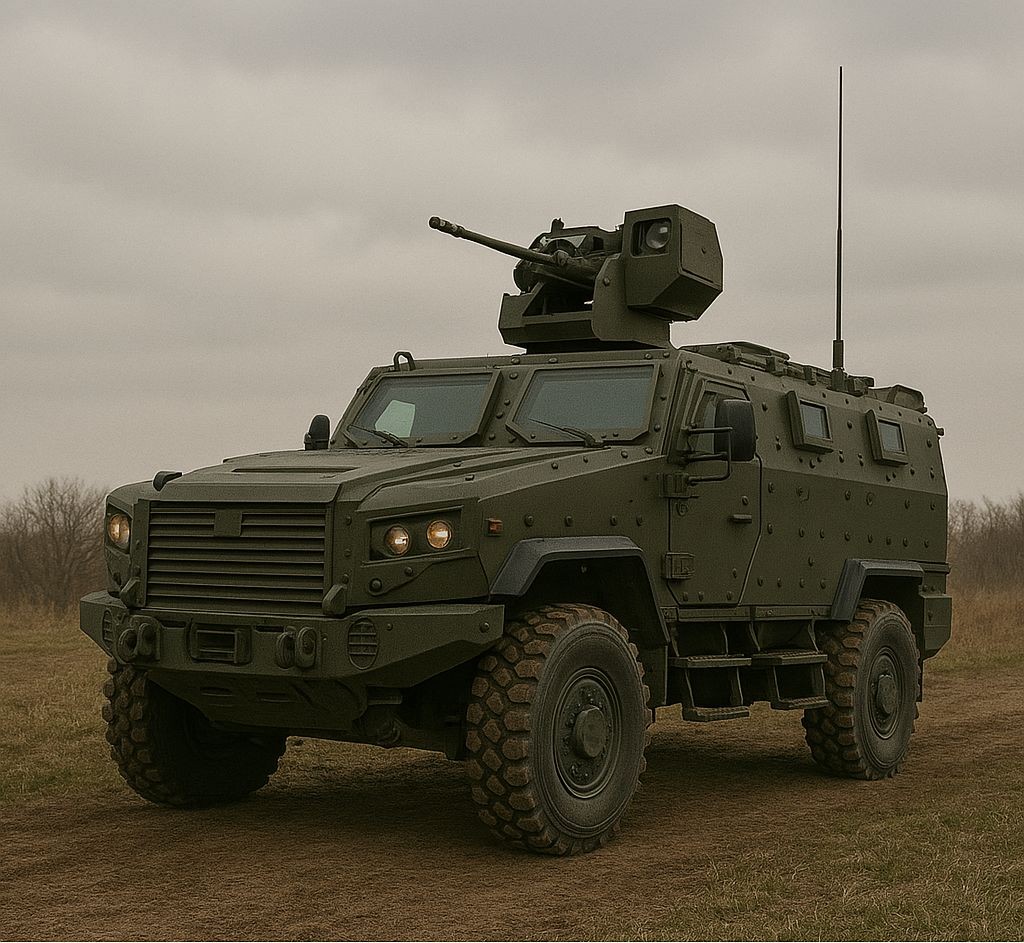
• Armored Vehicles
Armored personnel carriers (APC) and armored fighting vehicles (IFV) ensure the safe transportation of soldiers while providing crucial support on the battlefield.
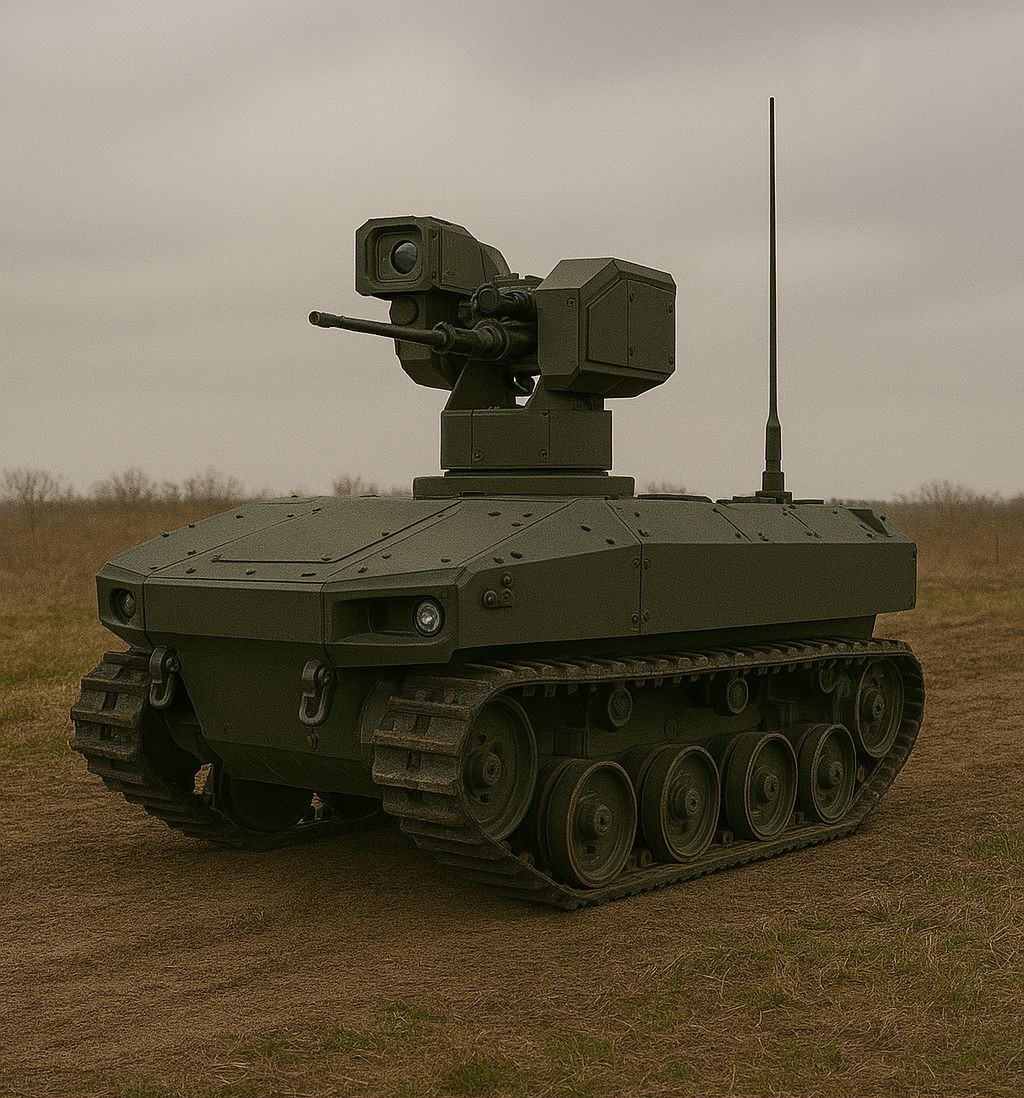
• Unmanned Ground Vehicles (UGV)
Unmanned ground vehicles are robotic systems used for reconnaissance, surveillance, and target detection. These vehicles are ideal for preventing human casualties in dangerous areas.
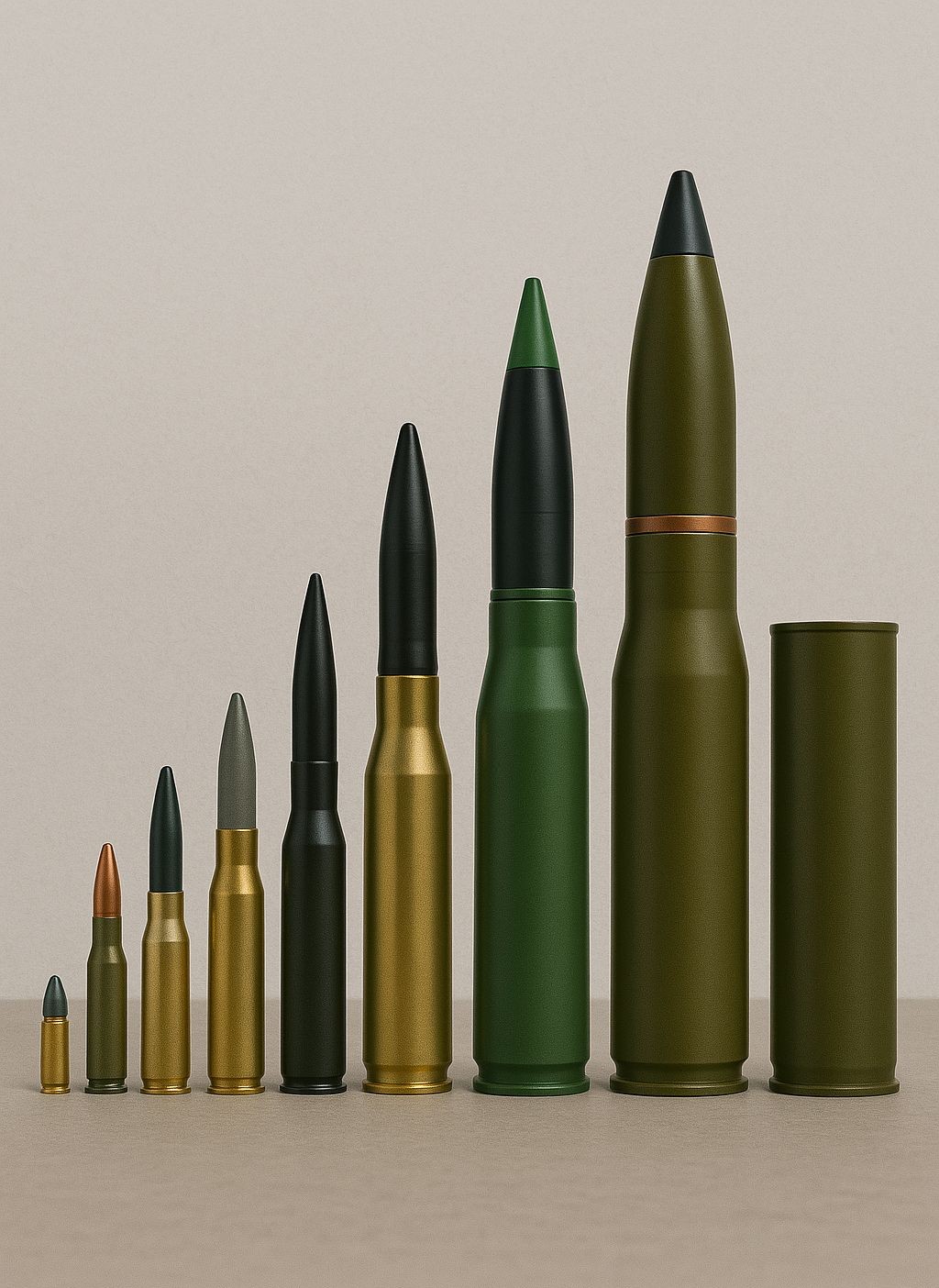
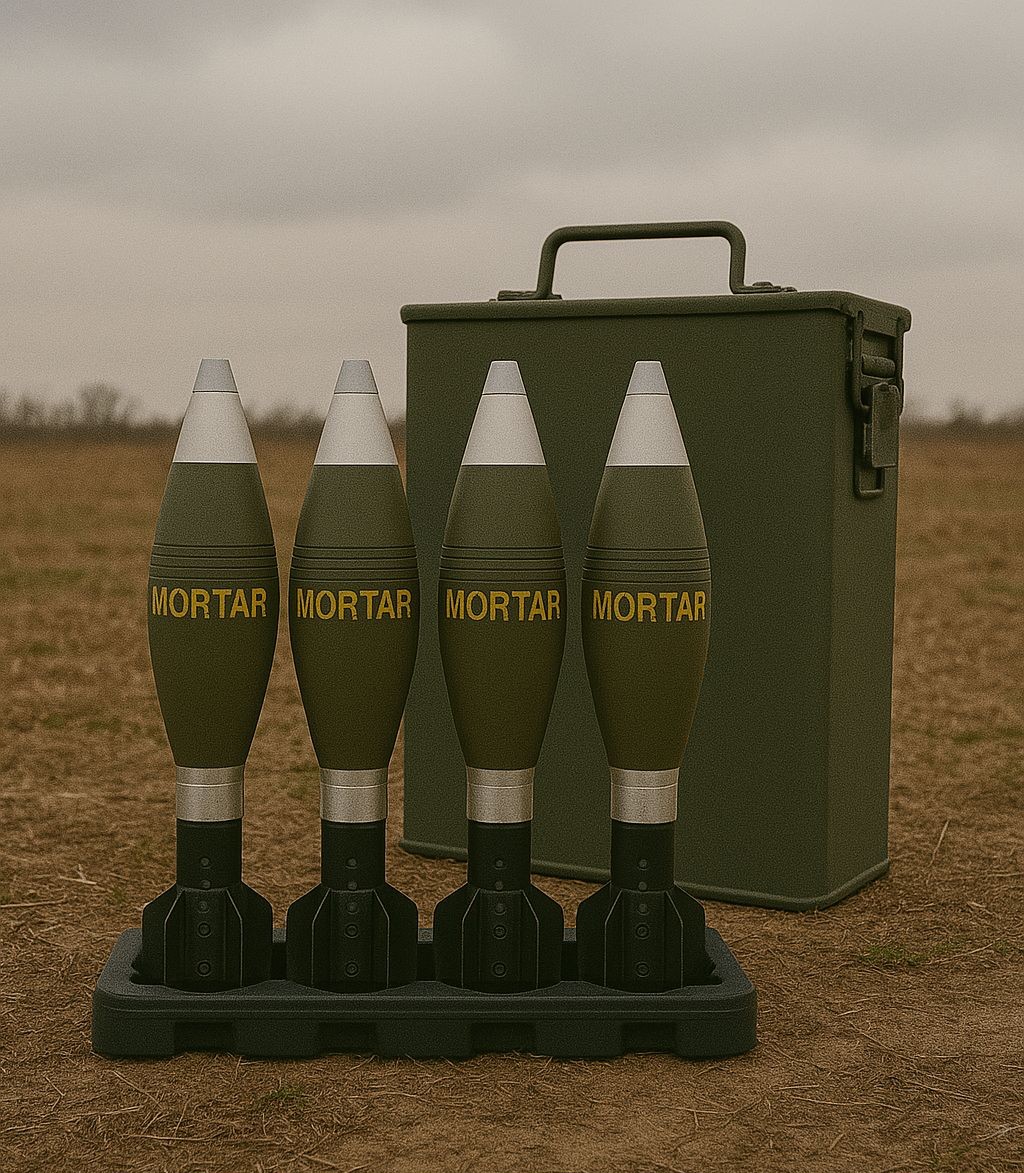
• Ammunition Systems
The effectiveness of land defense systems depends on the proper and effective use of ammunition. Ammunition in various calibers and types provides effective attack and defense capabilities.
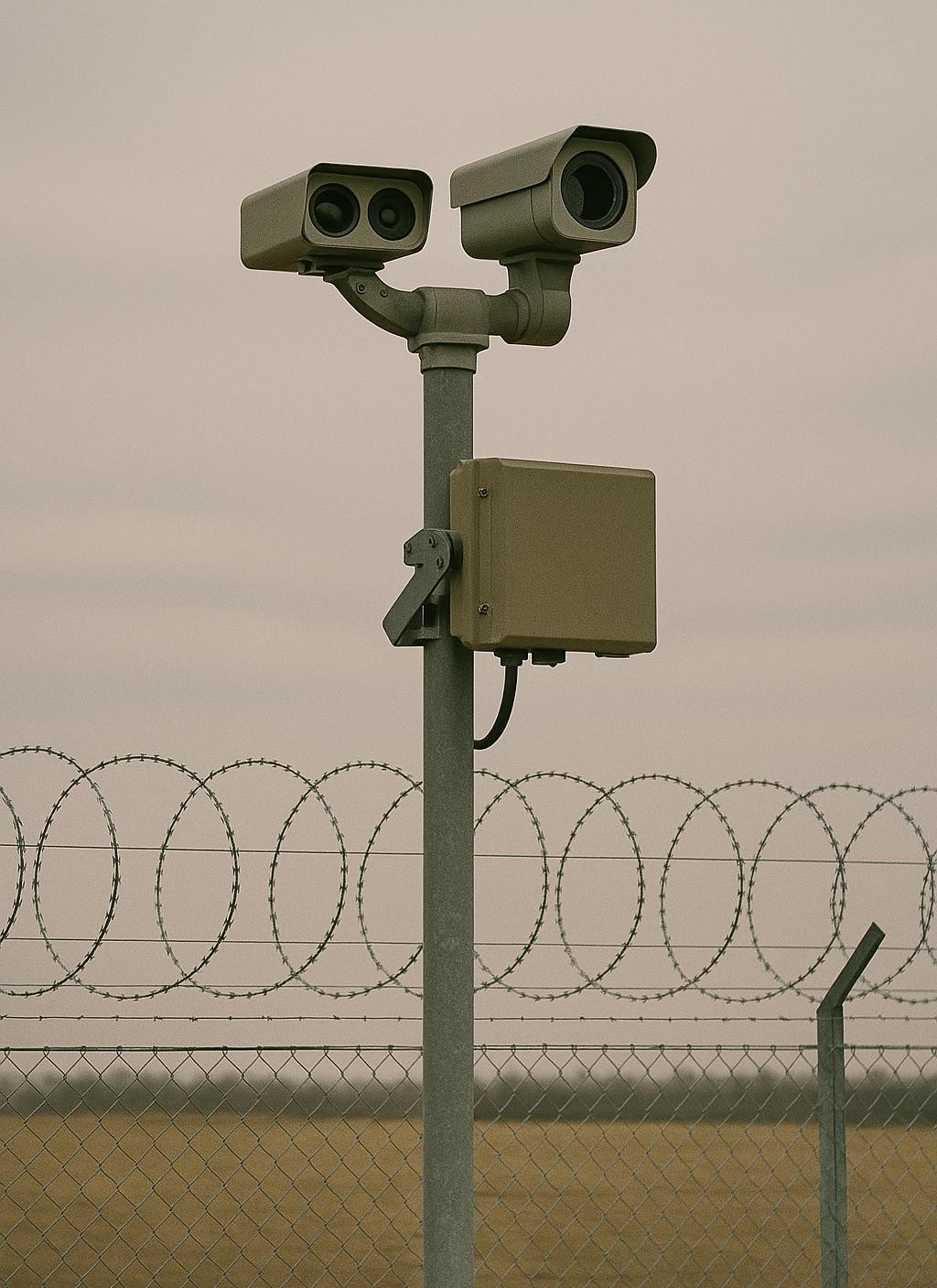
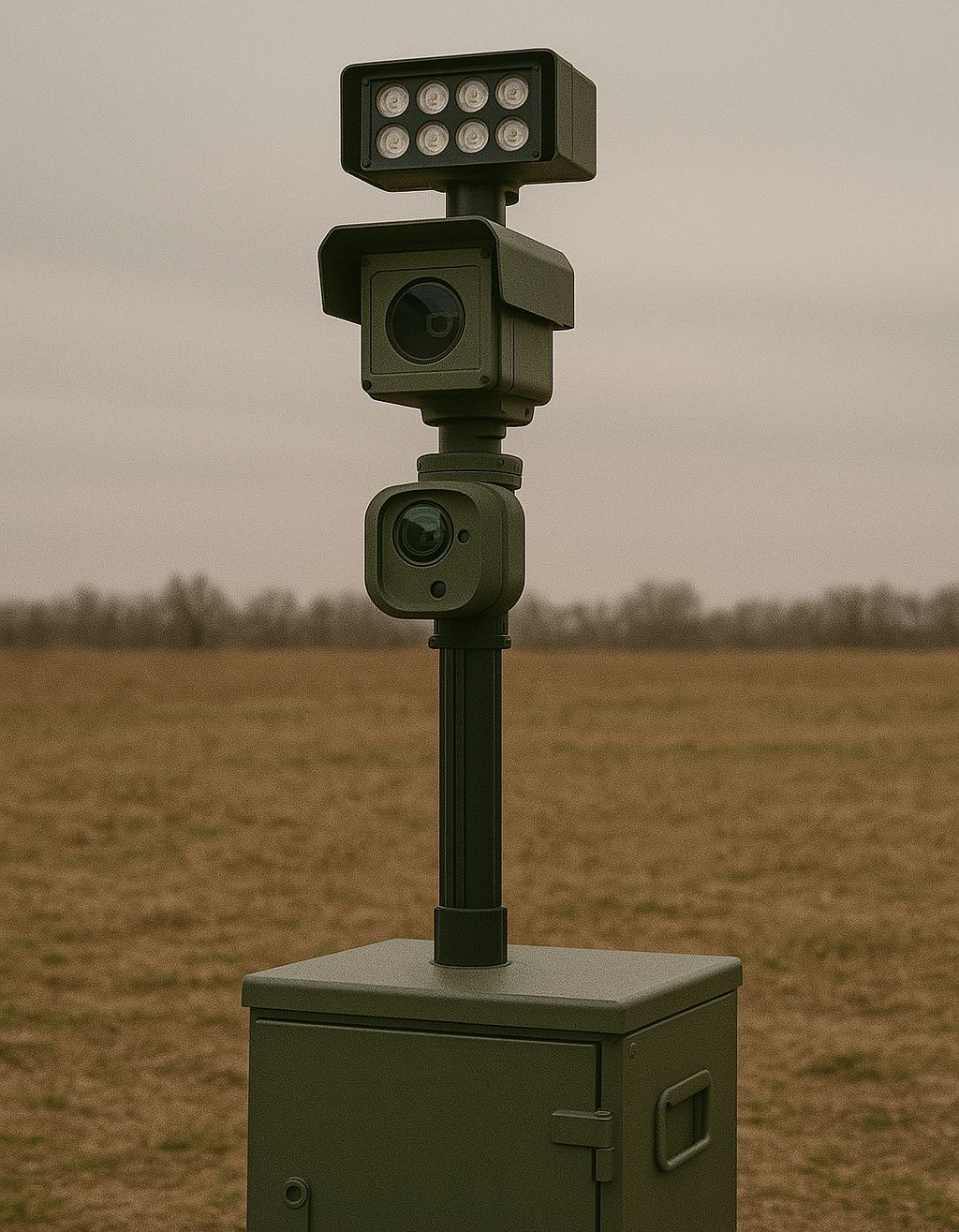
• Border Security Systems
Designed to ensure border security, these systems are equipped with various sensors, cameras, and electronic surveillance systems.
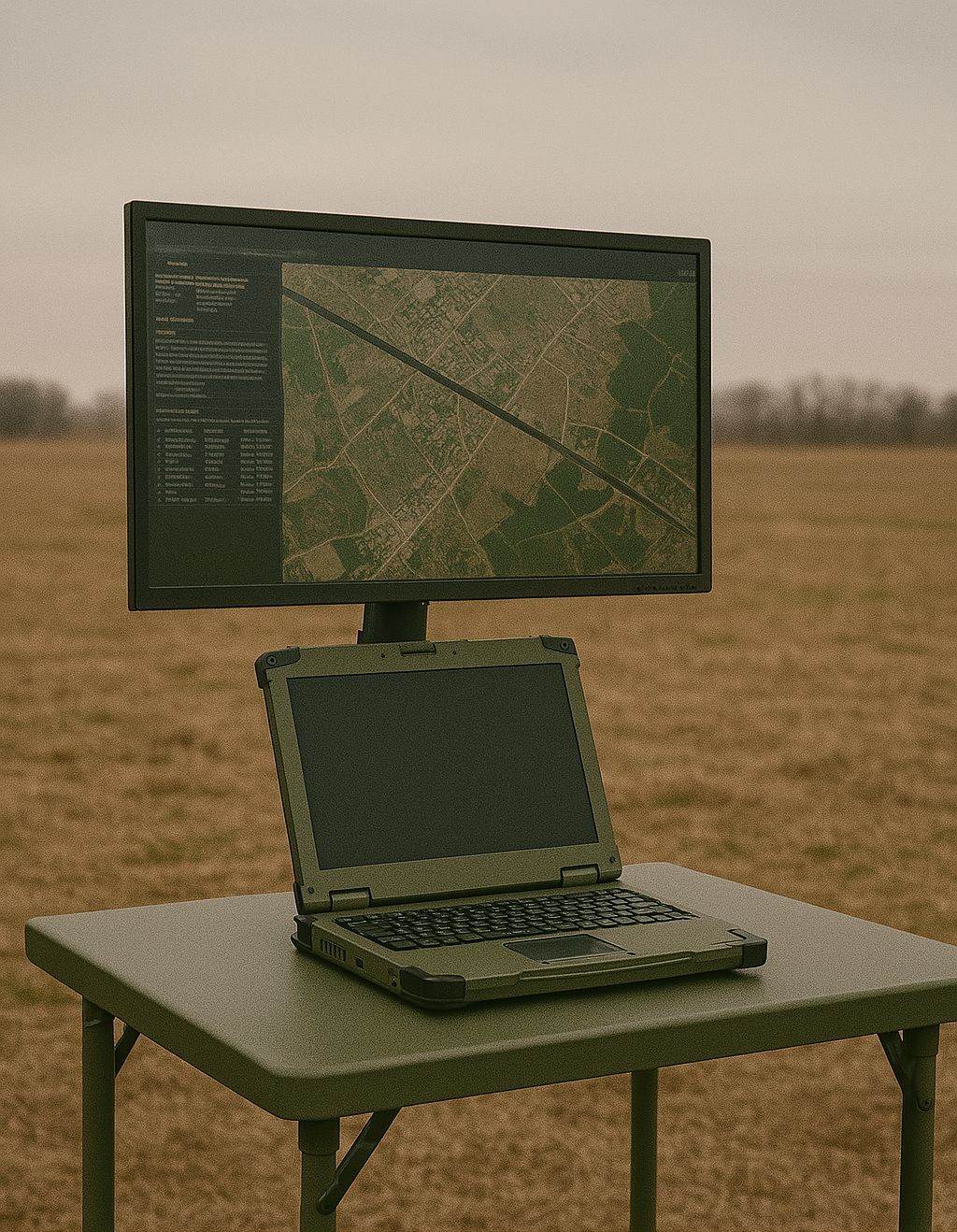
• Operational Control Systems
Supporting tactical decision-making processes, these systems collect and analyze field information, enabling military commanders to make more informed decisions.
Naval and Marine Defense Systems
Naval and marine defense systems consist of various components developed to protect naval forces from threats. These systems are critical for achieving effectiveness and superiority in naval warfare. Here are the main products of naval and marine defense systems:
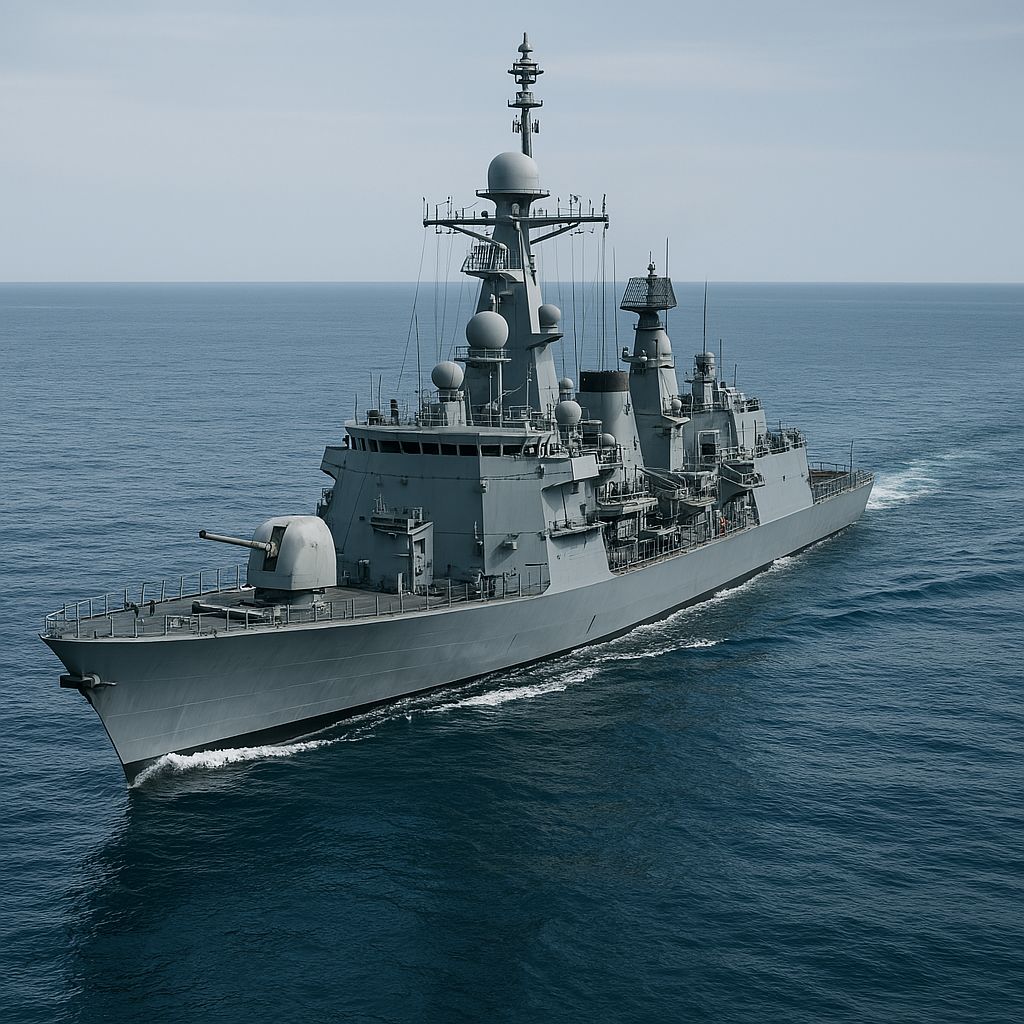
• Large Warships
These ships, which form the backbone of the navy, are equipped with heavy armor and high firepower. Frigates, destroyers, and cruisers play crucial roles in naval warfare.
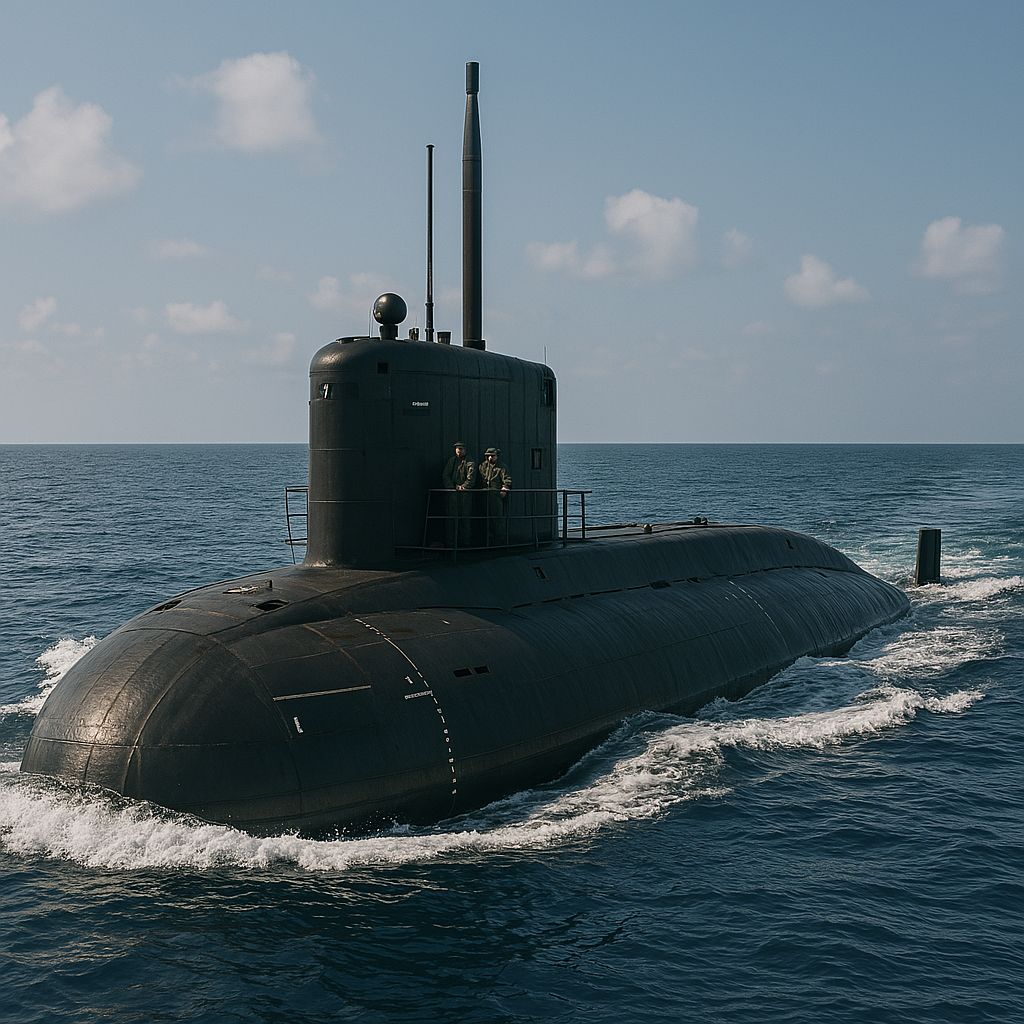
• Submarines
Submarines, capable of launching covert attacks against enemy ships and marine targets, are indispensable elements of modern naval warfare. Nuclear and diesel-electric submarines fall into this category.
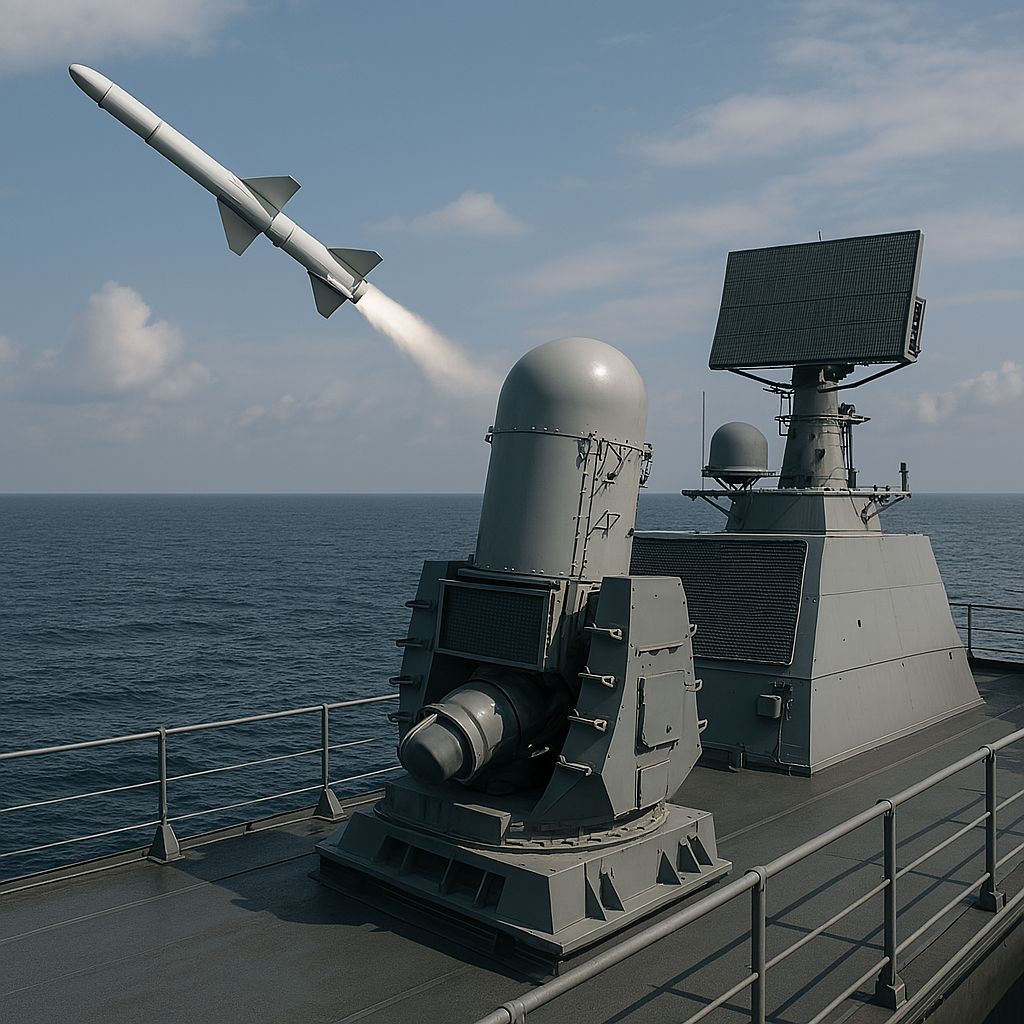
• Air Defense Systems
The naval forces use various air defense systems to protect against enemy aircraft. These systems consist of ship-integrated air defense missiles and radars.
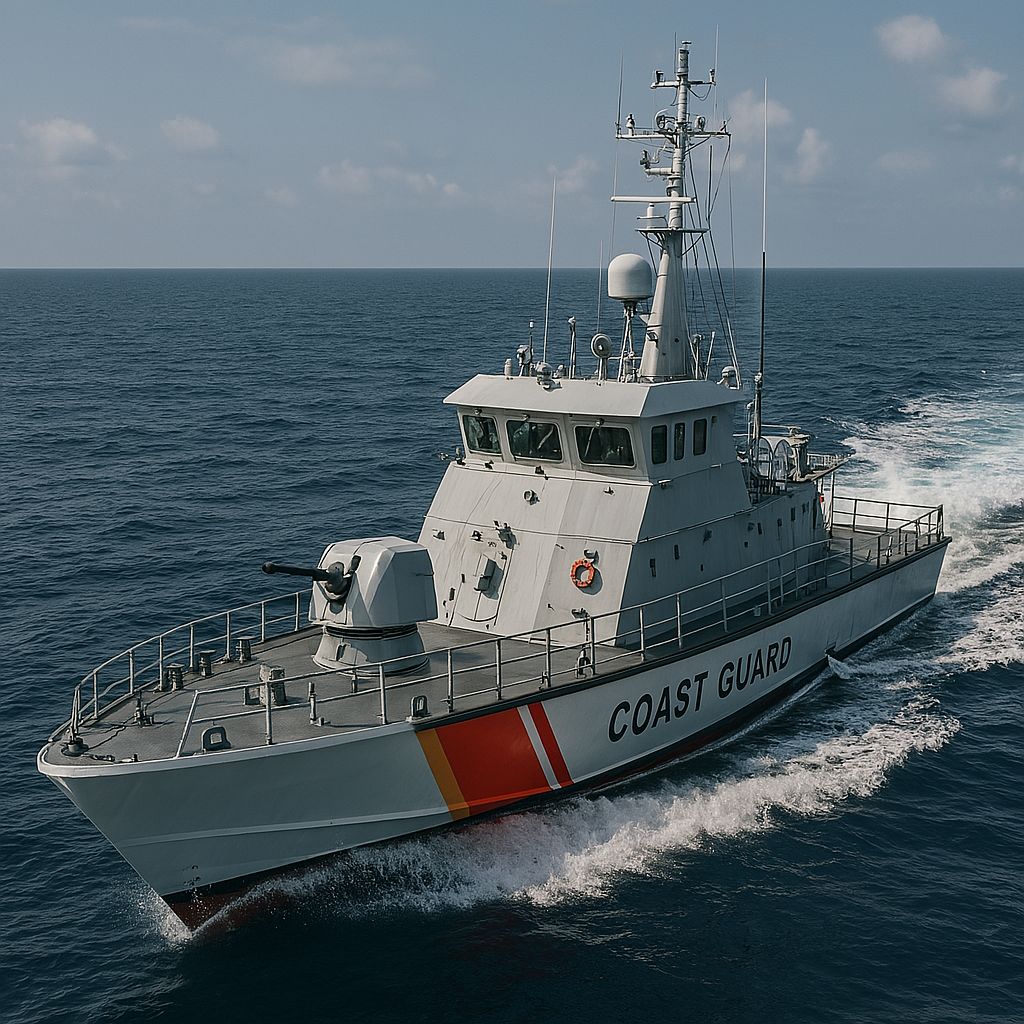
• Coast Guard Ships
These ships are used for border and maritime security, combating smuggling, illegal fishing, and other maritime crimes.
• Unmanned Aerial Vehicles (UAV)
The navy uses unmanned aerial vehicles for reconnaissance and surveillance missions to track enemy activities and gather strategic information.
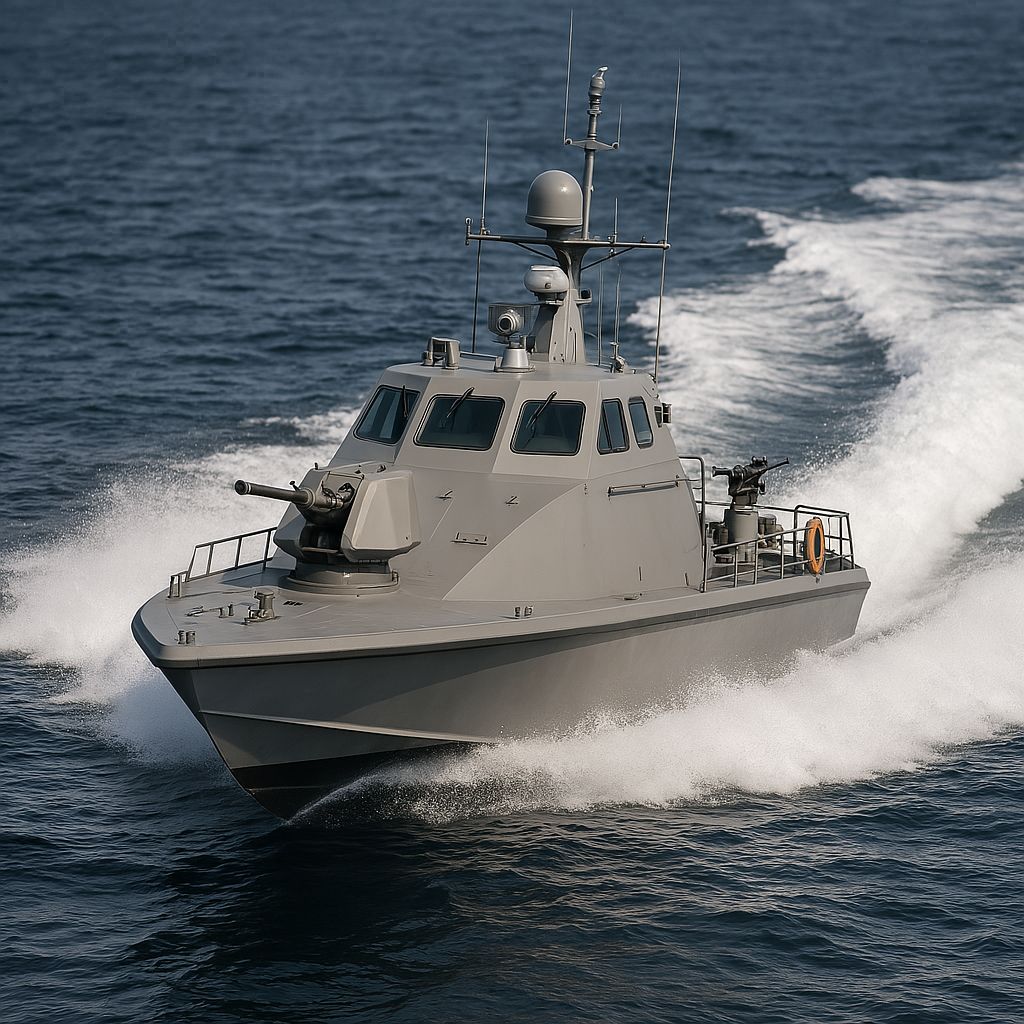
• Fast Attack Boats
These boats are designed to conduct rapid attacks on enemy ships with low visibility and high speed. They are typically equipped with light weapons.
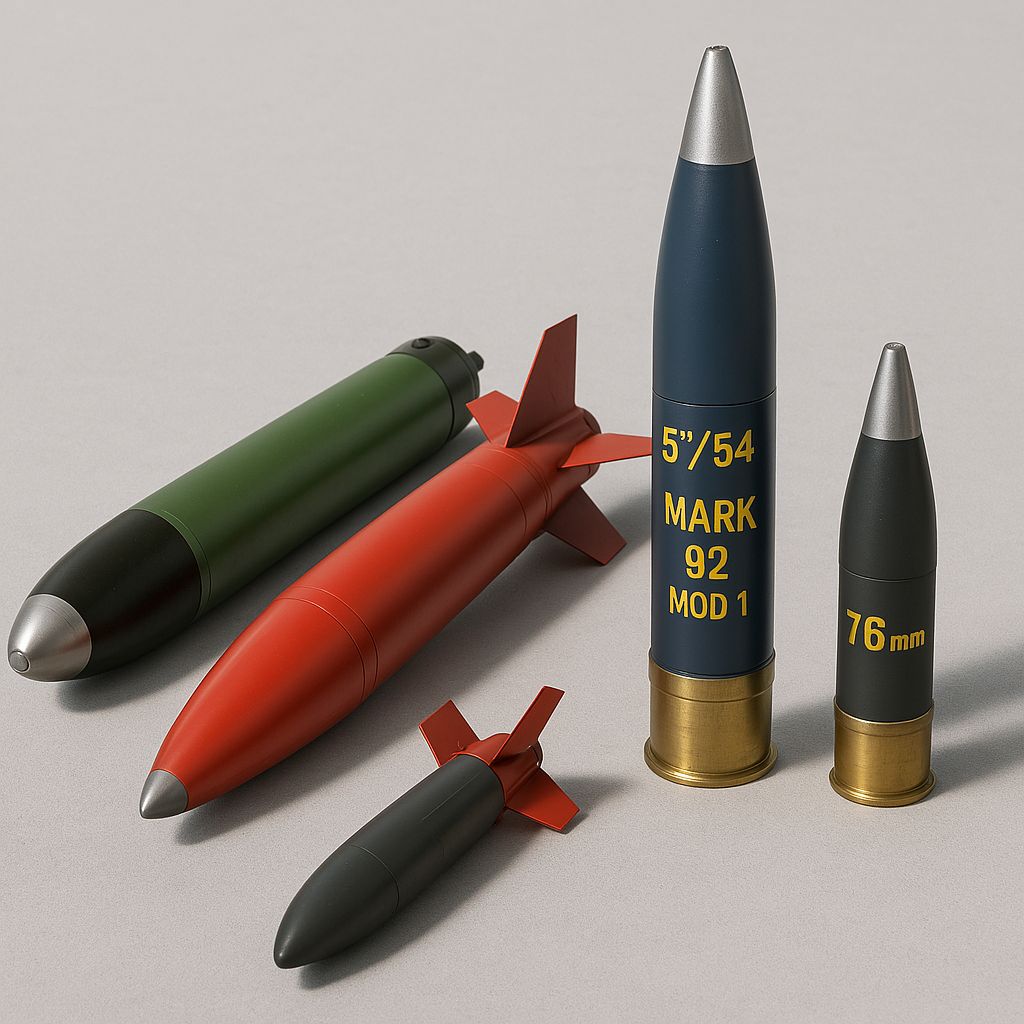
• Ammunition Systems
The effectiveness of naval and maritime defense systems depends on the accurate and efficient use of ammunition. Torpedoes, missiles, and naval artillery ammunition are types of munitions used in these systems.
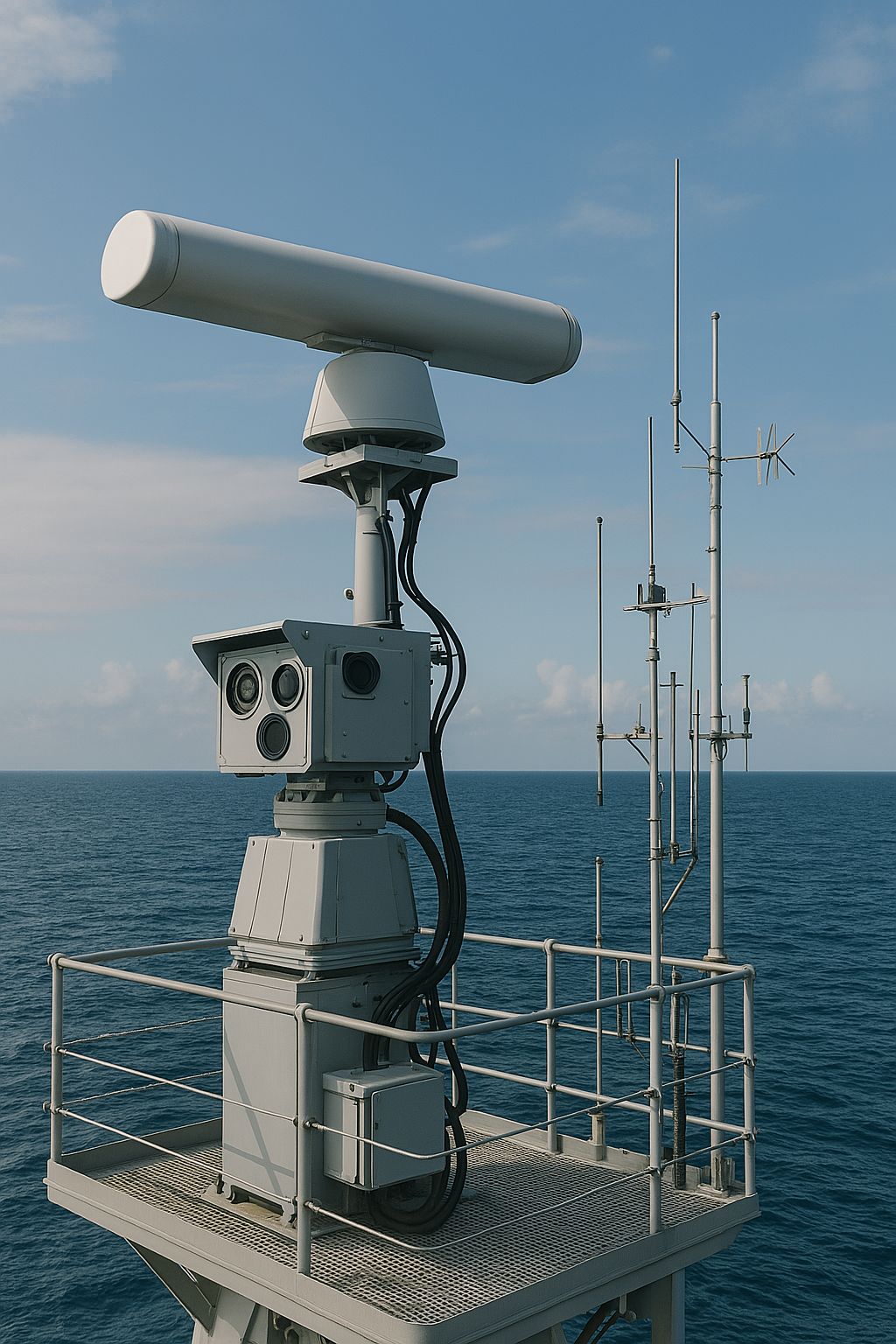
• Radar and Surveillance Systems
Radar and surveillance systems used to monitor the sea and airspace play a critical role in detecting potential threats.
• Diver and Underwater Systems
Diver teams and underwater robots are used for underwater exploration, repairs, and target identification.
Intelligence Software Systems
Military and security forces utilize intelligence software systems to enhance operational efficiency and detect threats in advance. These software systems support data analysis, information sharing, and decision-making processes, playing a critical role in the strategic and tactical planning of security forces. Here are the main components of intelligence software systems:
• Data Collection and Analysis Tools
These tools collect and analyze data from various sources (social media, satellite images, news reports). Using big data analytics, they enable the quick acquisition of important information.
• Surveillance and Monitoring Systems
These systems detect potential threats by collecting image and sound data. They are supported by drones and satellite technologies.
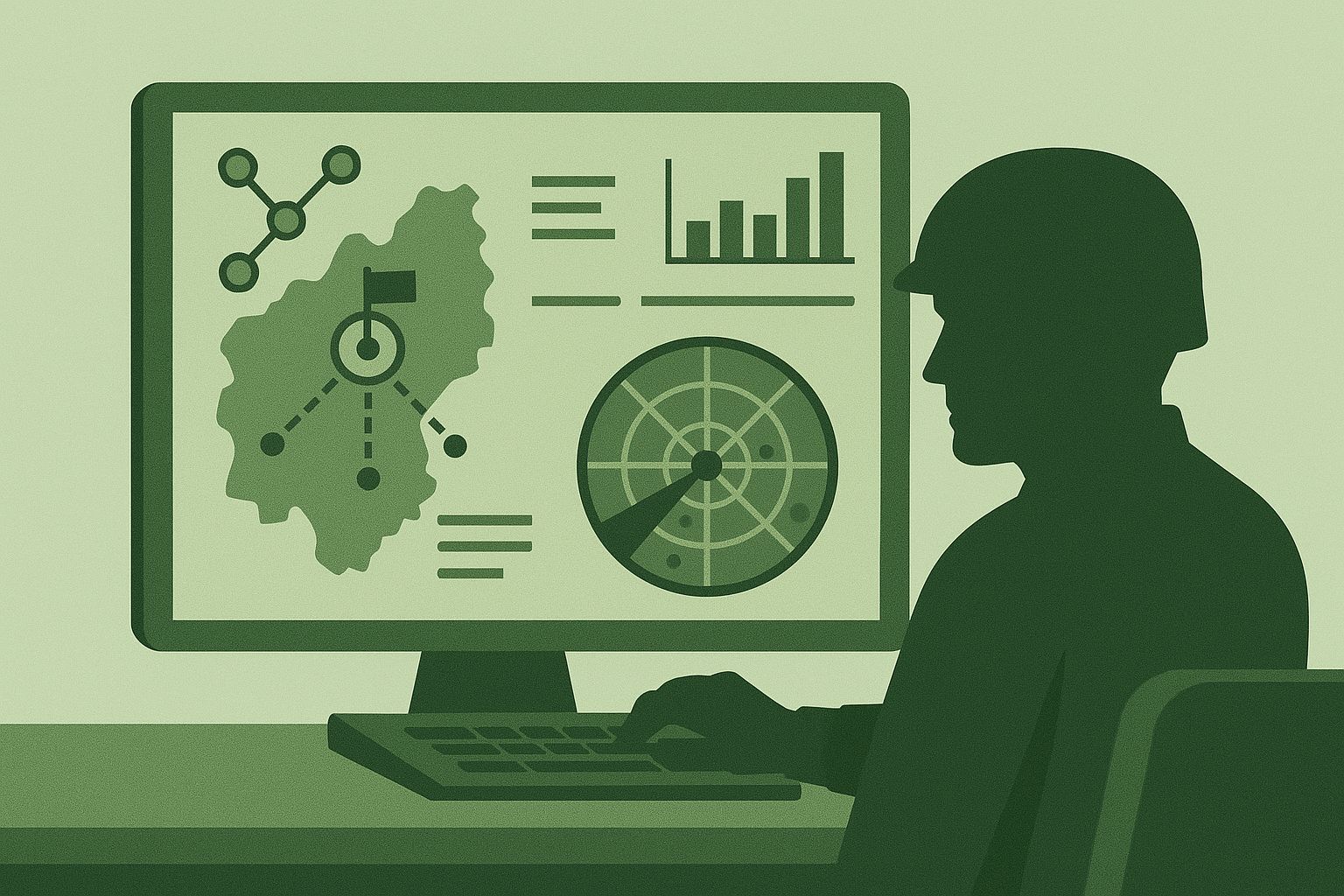
• Decision Support Systems
These software systems analyze collected data and help security forces determine the best strategies. They use simulation and modeling techniques to work on potential scenarios.
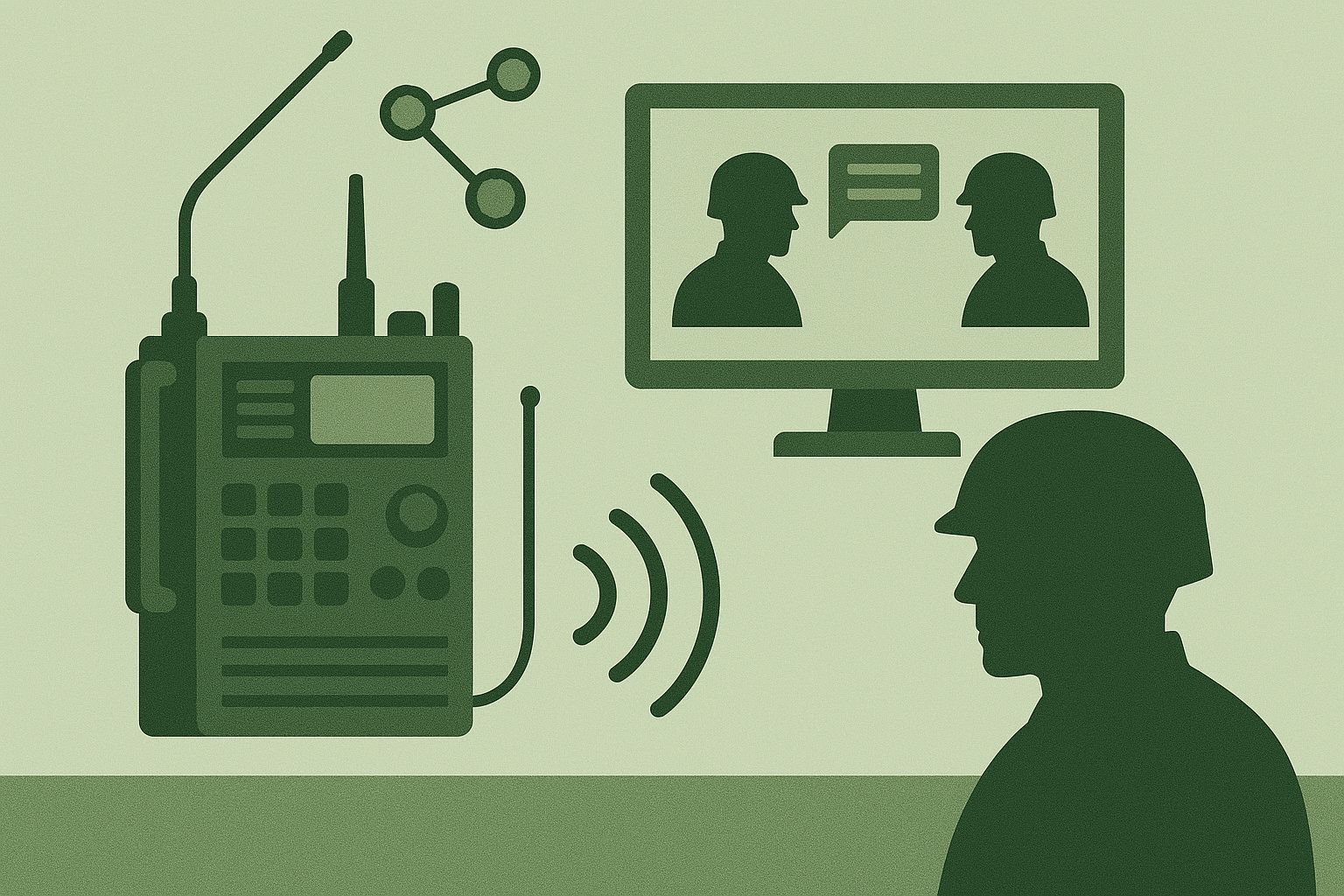
• Communication and Coordination Tools
These tools provide fast and effective communication among security forces. They facilitate information sharing, thus increasing operational efficiency.
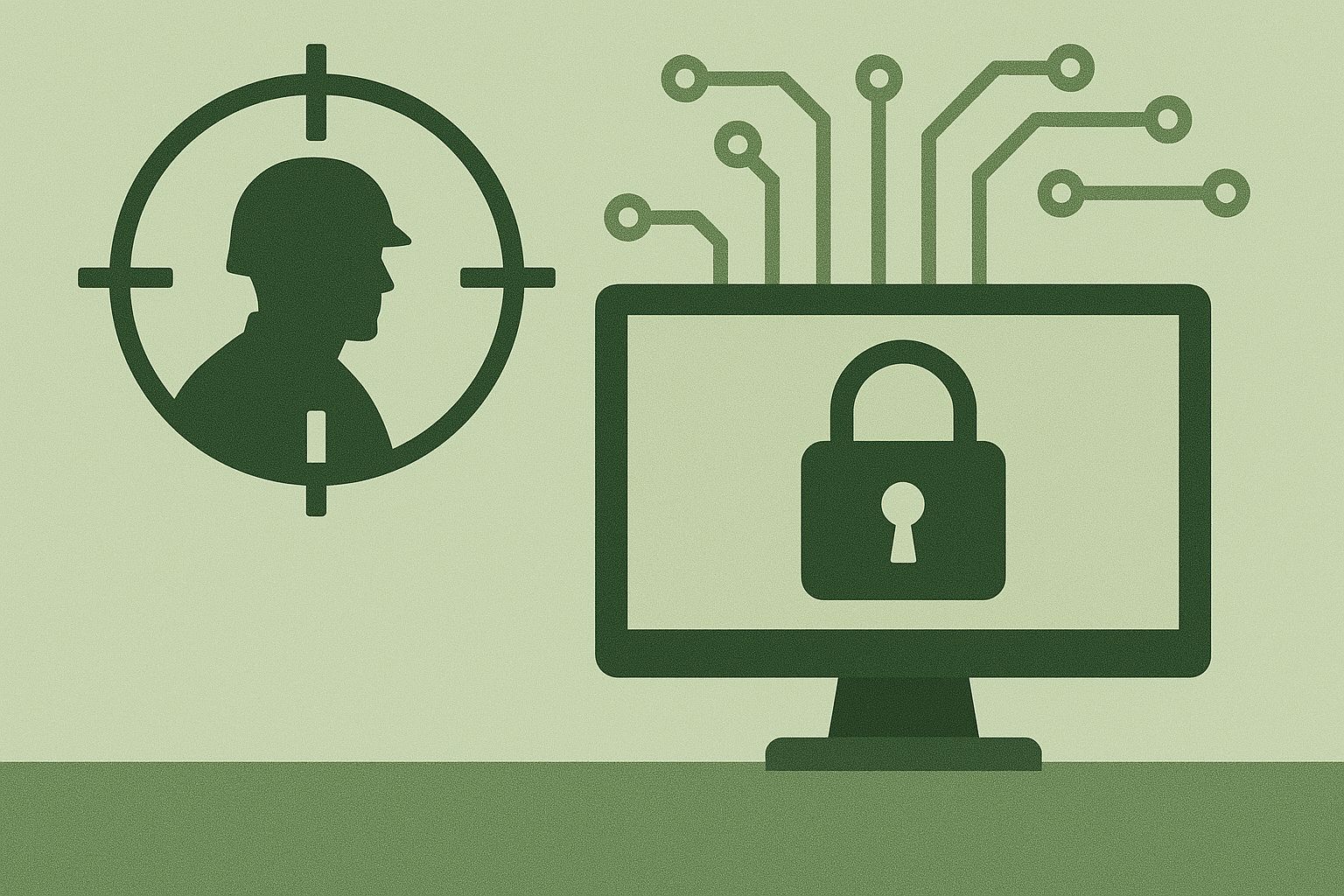
• Cybersecurity Systems
Software systems used to protect critical data of military and security forces against cyberattacks. These systems include network monitoring, attack detection, and prevention mechanisms.
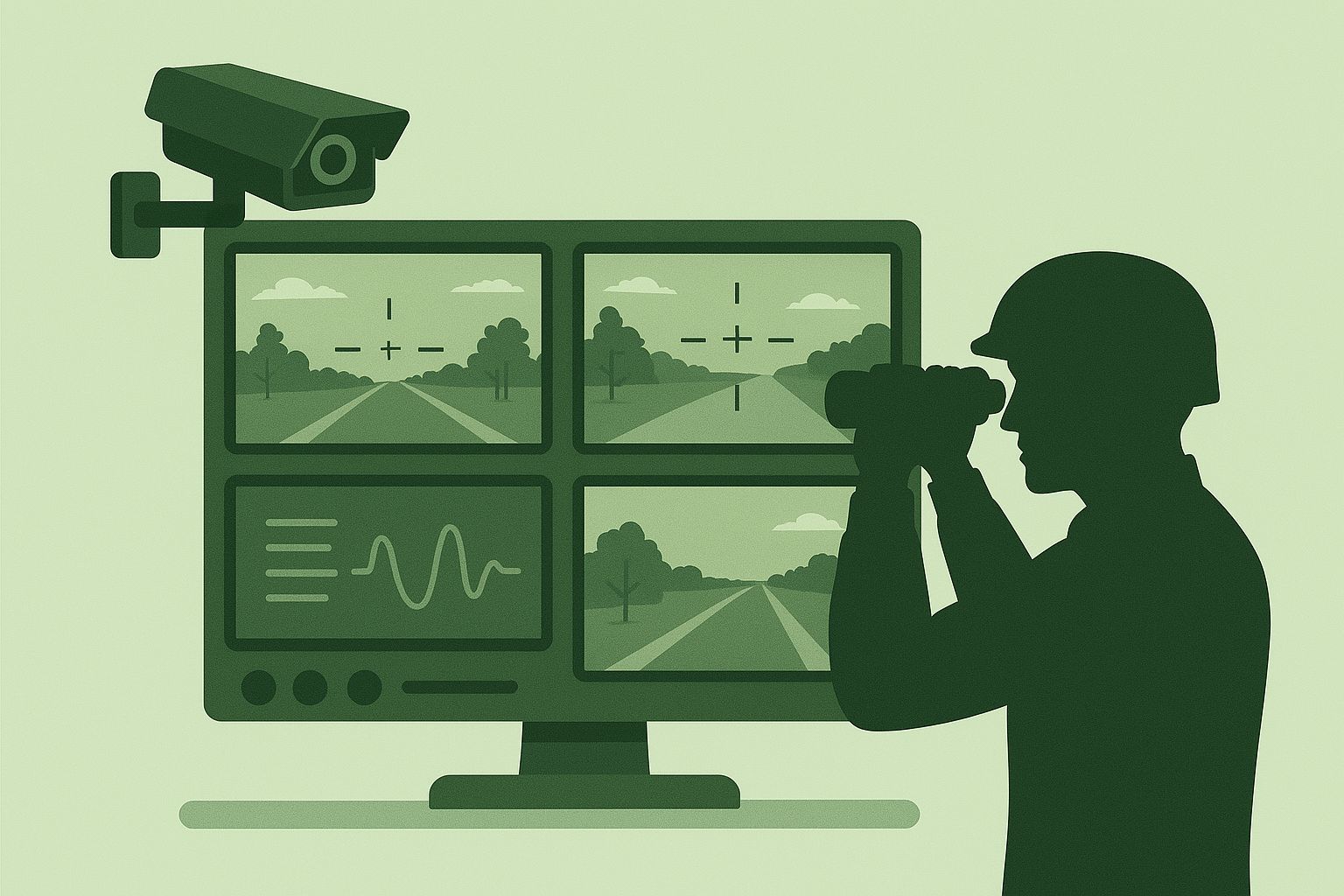
• Target Detection and Analysis Software
These software systems are used for tracking and analyzing specific targets. Based on historical data, they provide insights into the behavior and movement of targets.
Military Logistics Products
Military logistics products encompass a variety of equipment and materials designed to enhance the security and effectiveness of soldiers while performing their duties. These products are critical for the success of military operations. Here are the main logistics products for soldiers:
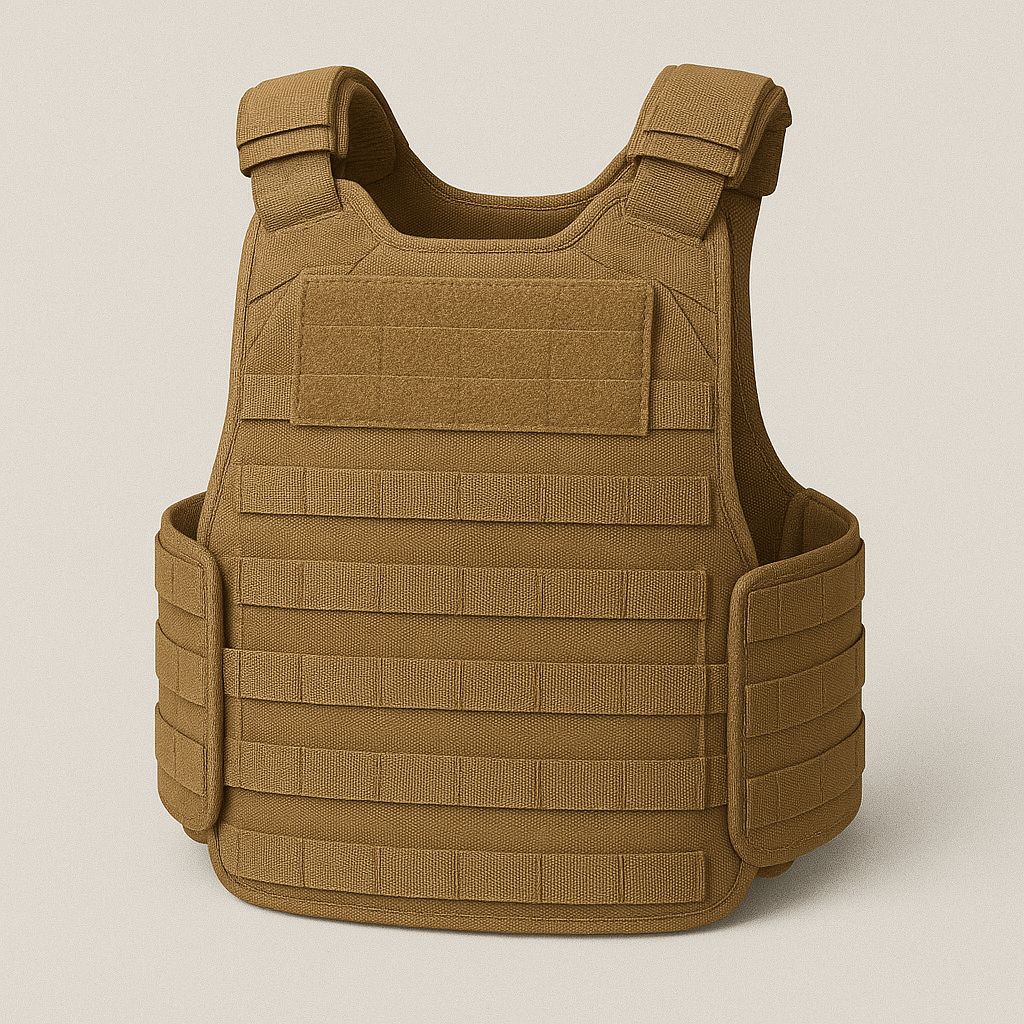
• Ballistic Vests
Ballistic vests are designed to protect against bullets and cutting tools. These vests are classified according to different threat levels, enhancing the safety and survival chances of soldiers on the battlefield.
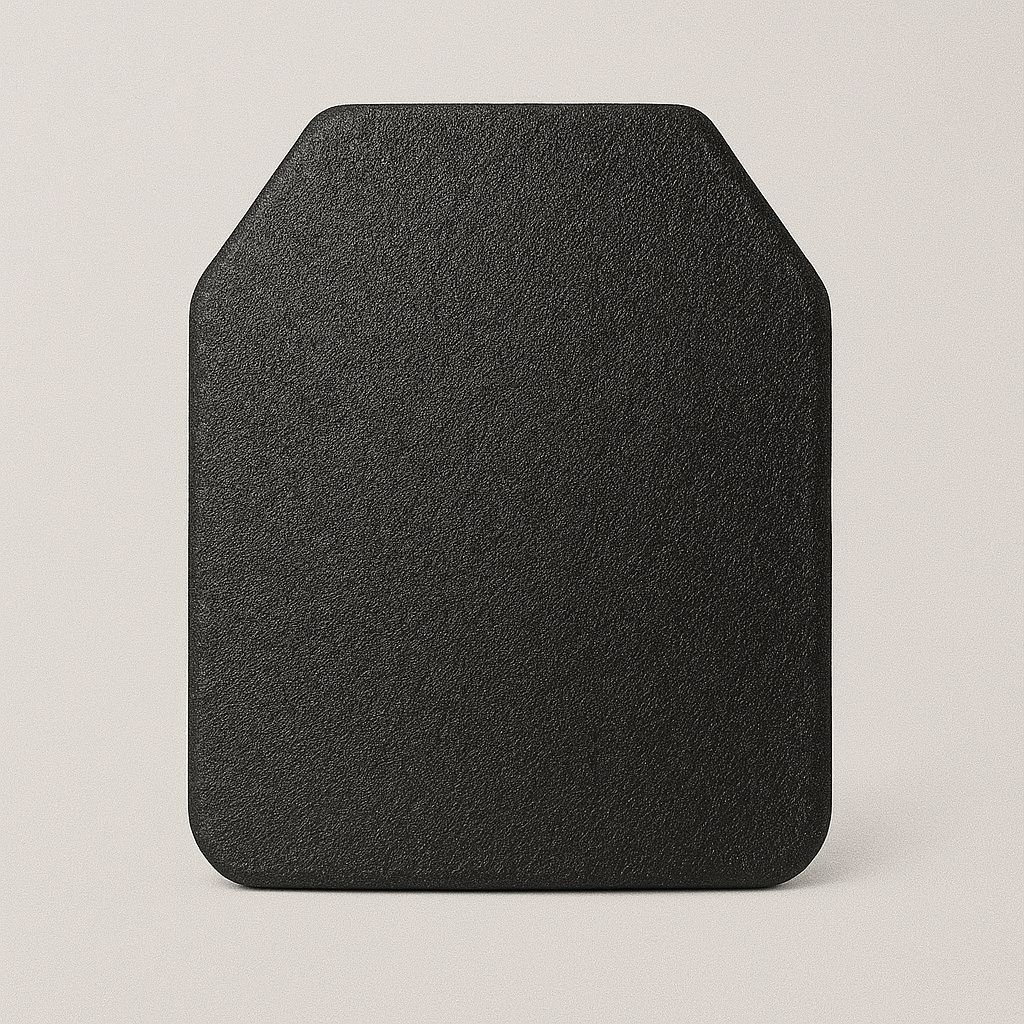
• Ballistic Plates
Ballistic plates are hard protection elements used in vests. They are usually made of ceramic or composite materials and offer high bullet resistance. These plates provide additional protection by complementing the soldier's body armor.
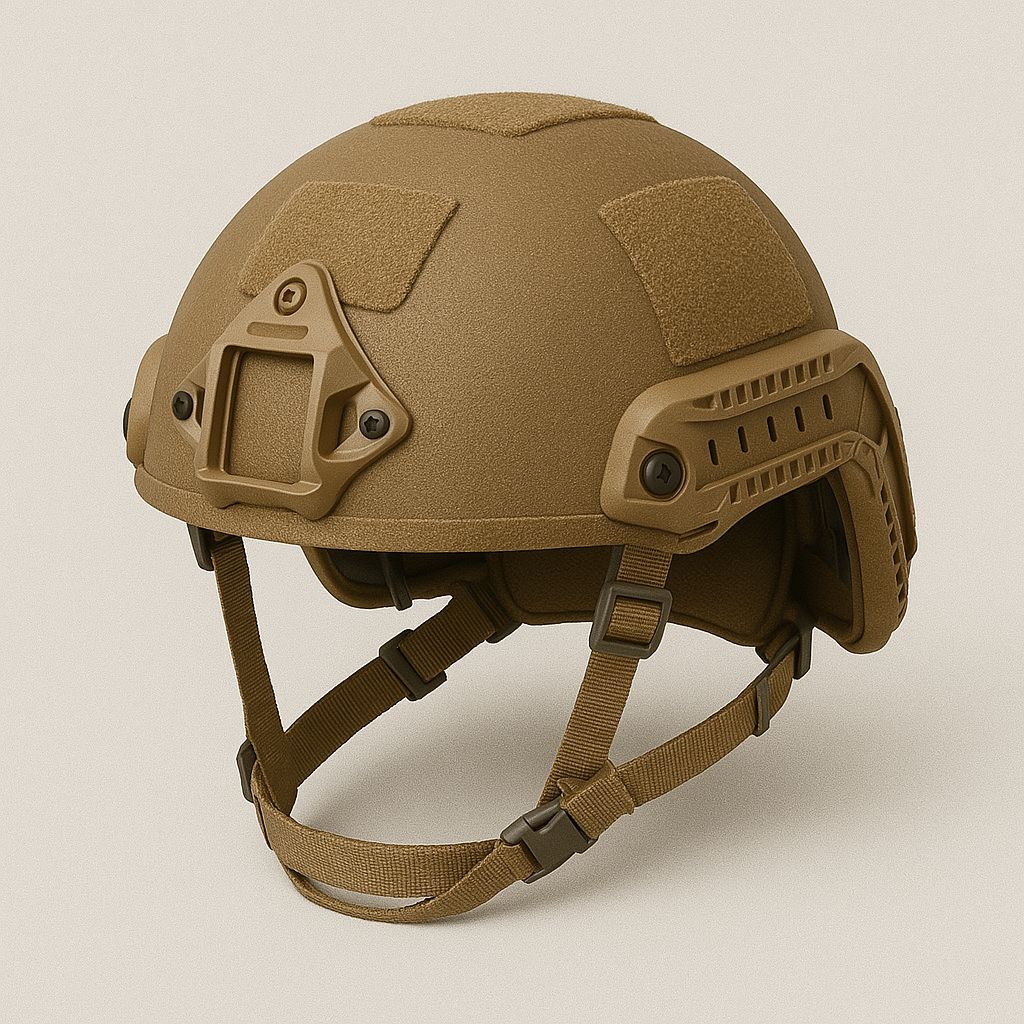
• Ballistic Helmets
Ballistic helmets are designed to protect the head and are usually made from highly durable materials. These helmets protect against bullets, shrapnel, and impacts while also maintaining the soldier's field of vision.
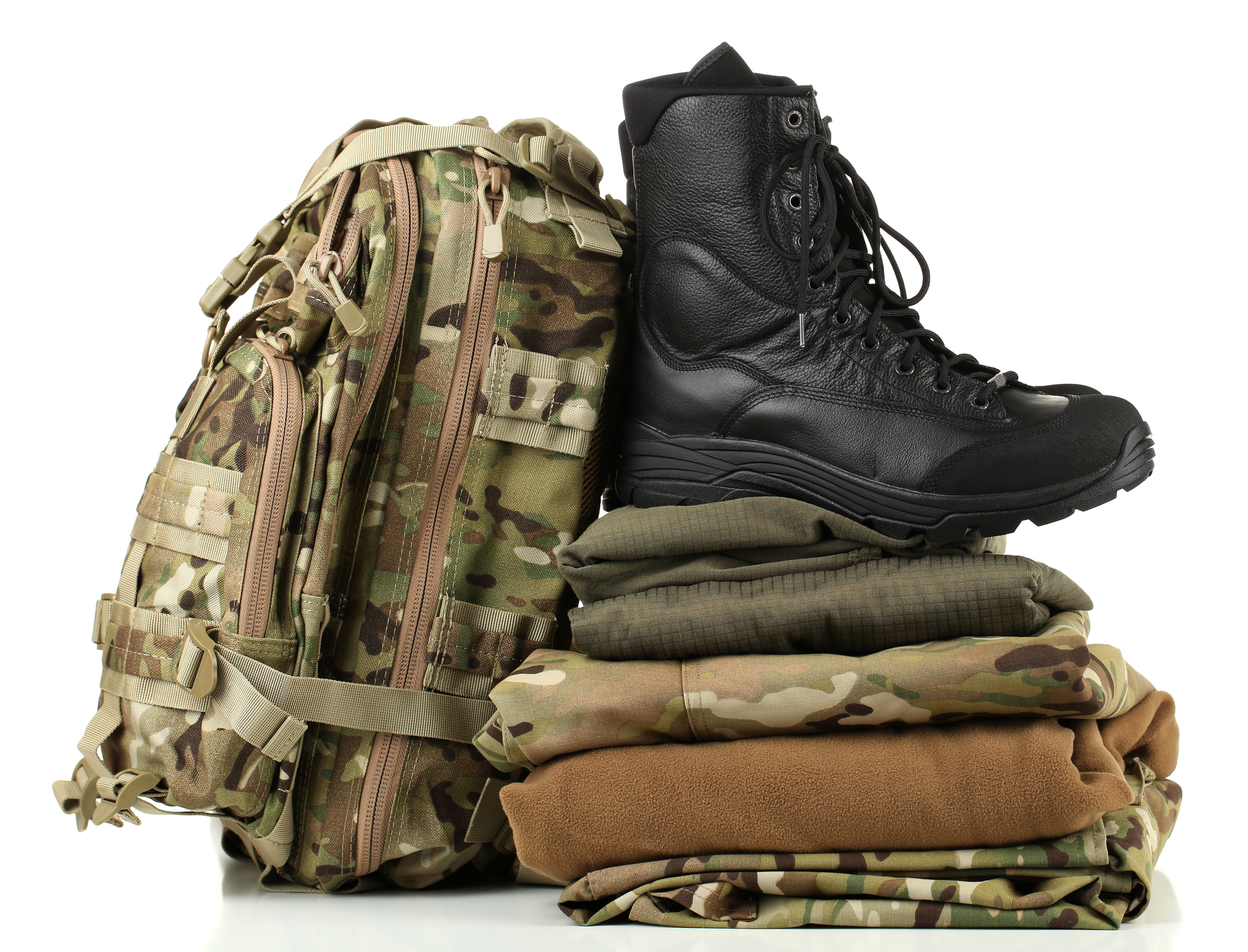
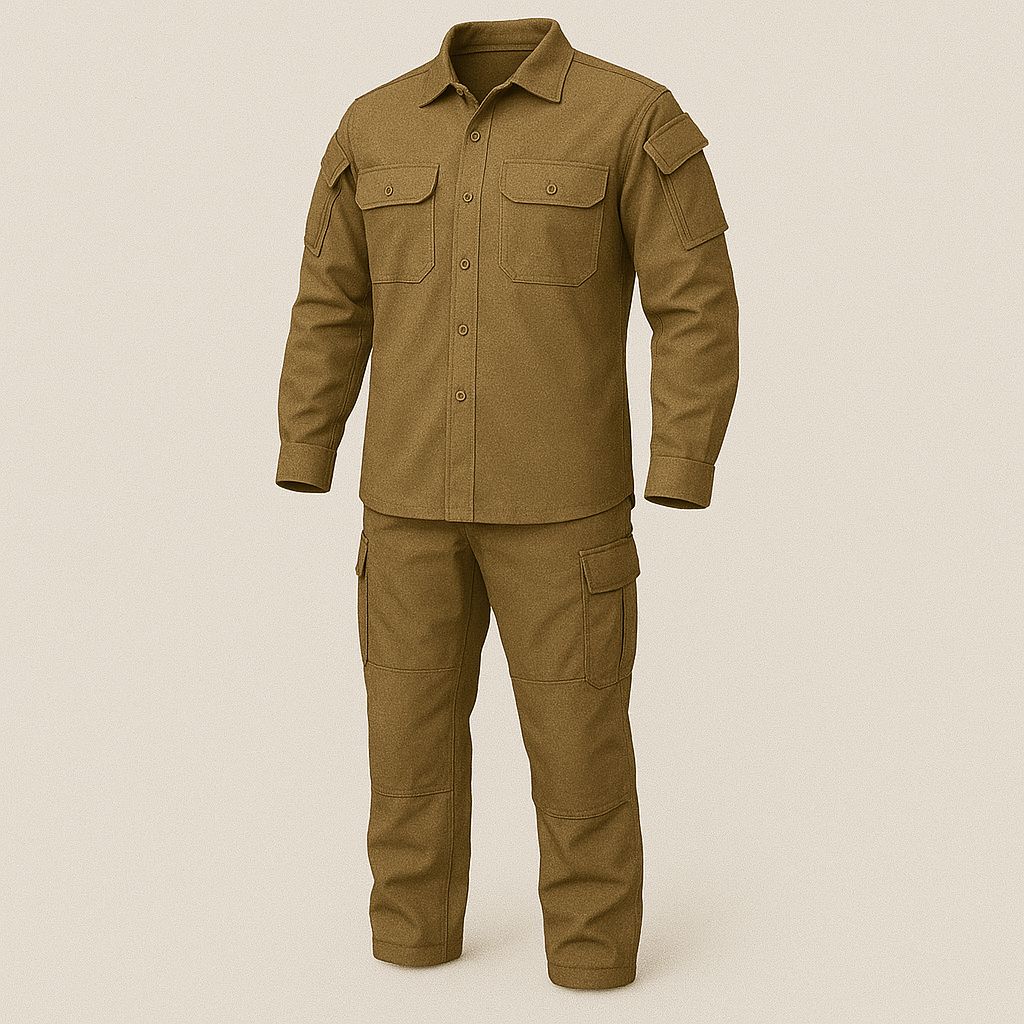
• Uniforms
Military uniforms are special clothes worn as part of military discipline to ensure soldiers' identification. They come in various types designed for different climates and operational conditions.
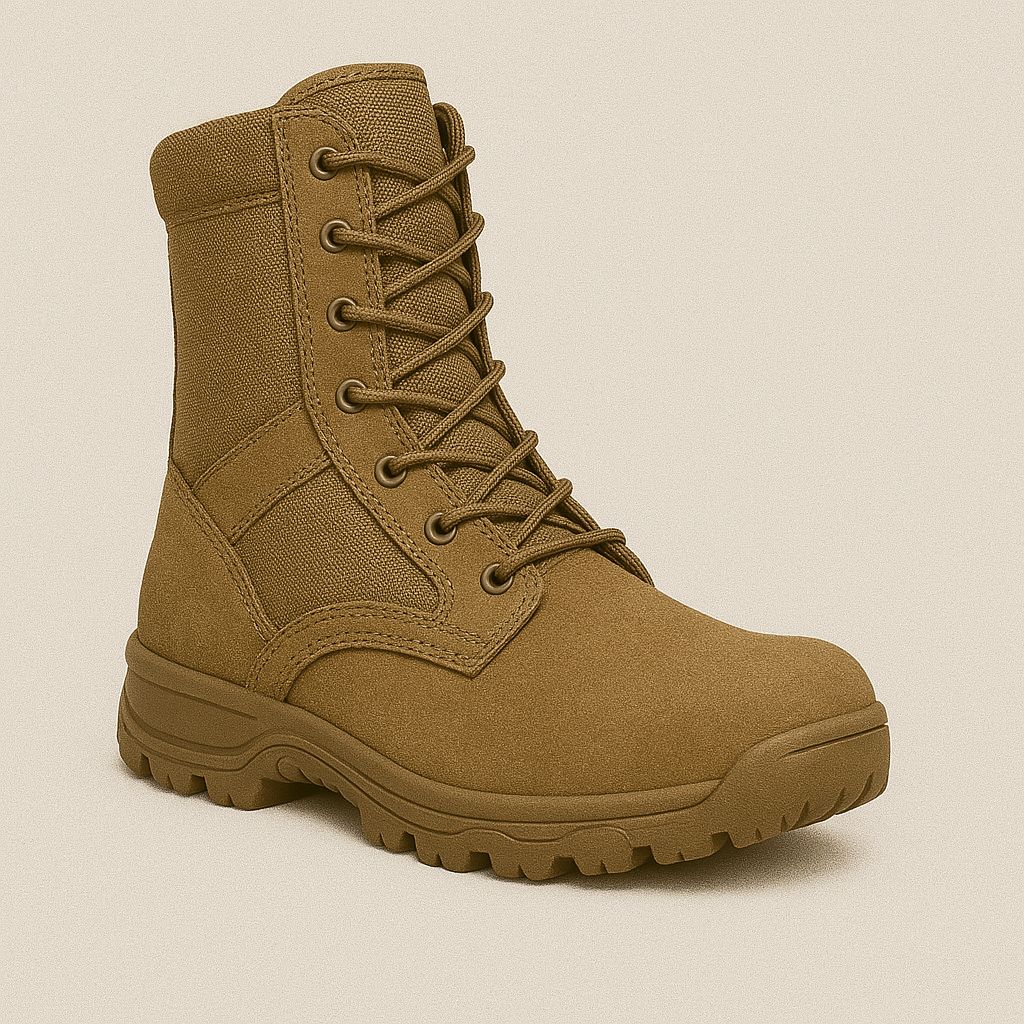
• Boots
Military boots are designed to provide durability and comfort in challenging terrain conditions. These boots, with waterproof and slip-resistant soles, enhance the mobility of the soldier.
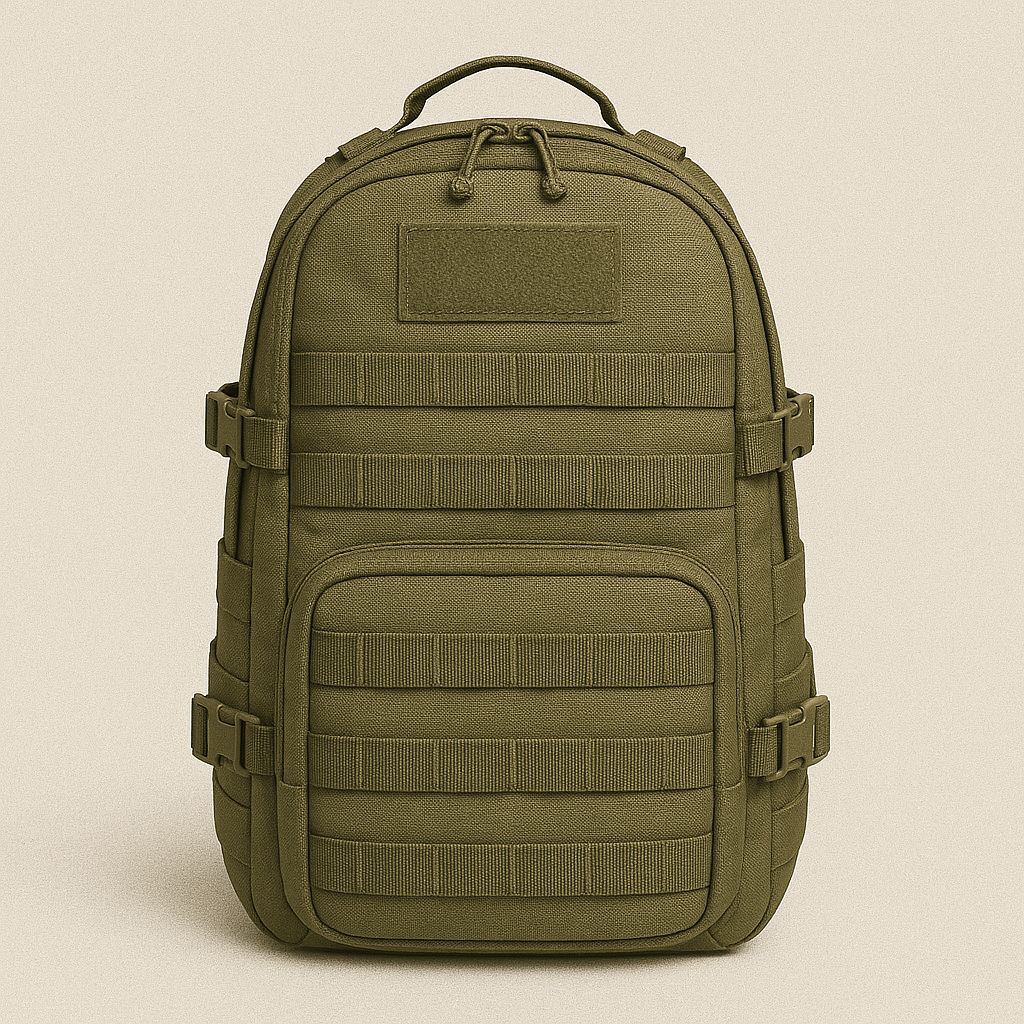
• Backpack
Military backpacks are used to carry the necessary supplies for soldiers. Available in various sizes and designs, these backpacks help soldiers carry military equipment in an organized manner.
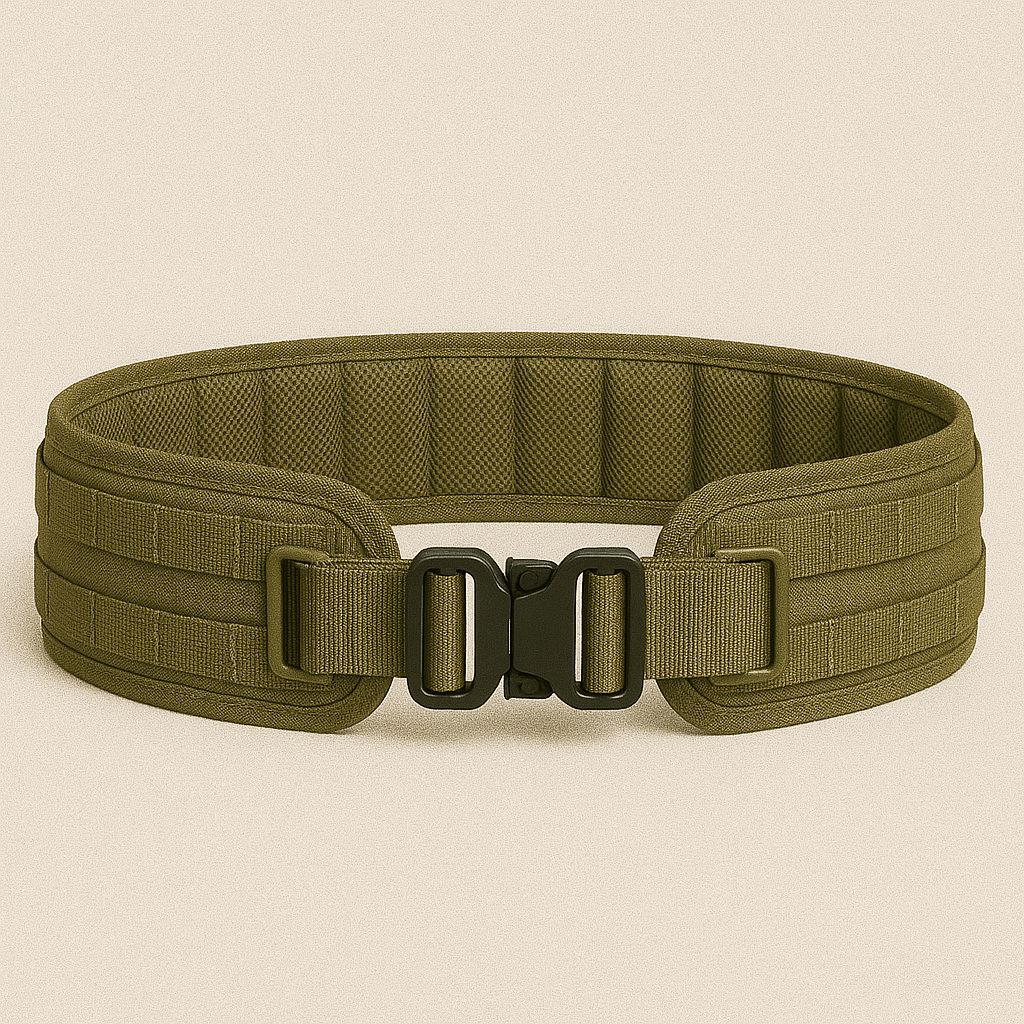
• Tactical Belt
Tactical belts are used to carry essential equipment for soldiers. Designed to carry items such as ammunition, flashlights, knives, and other military tools, they keep everything organized.
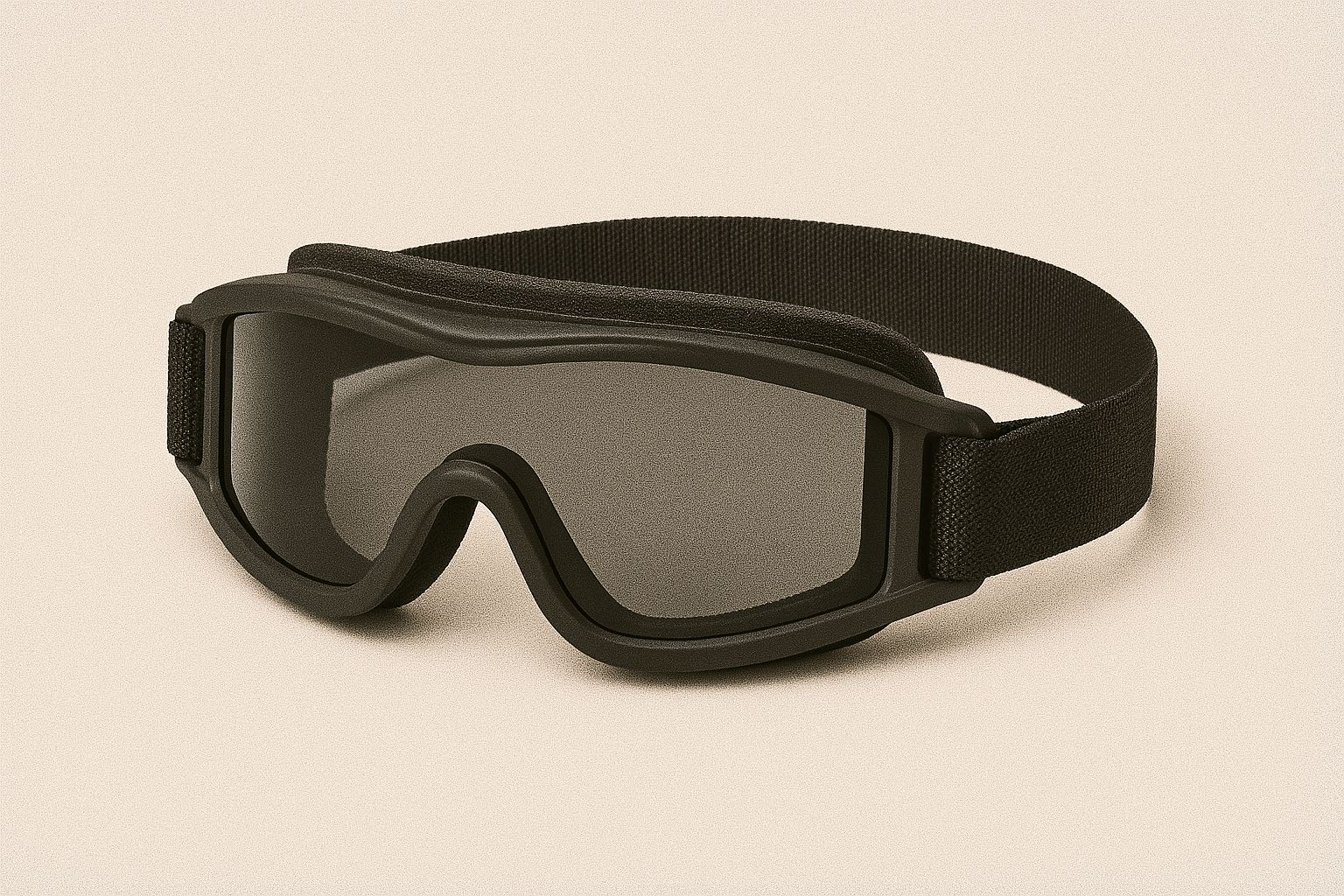
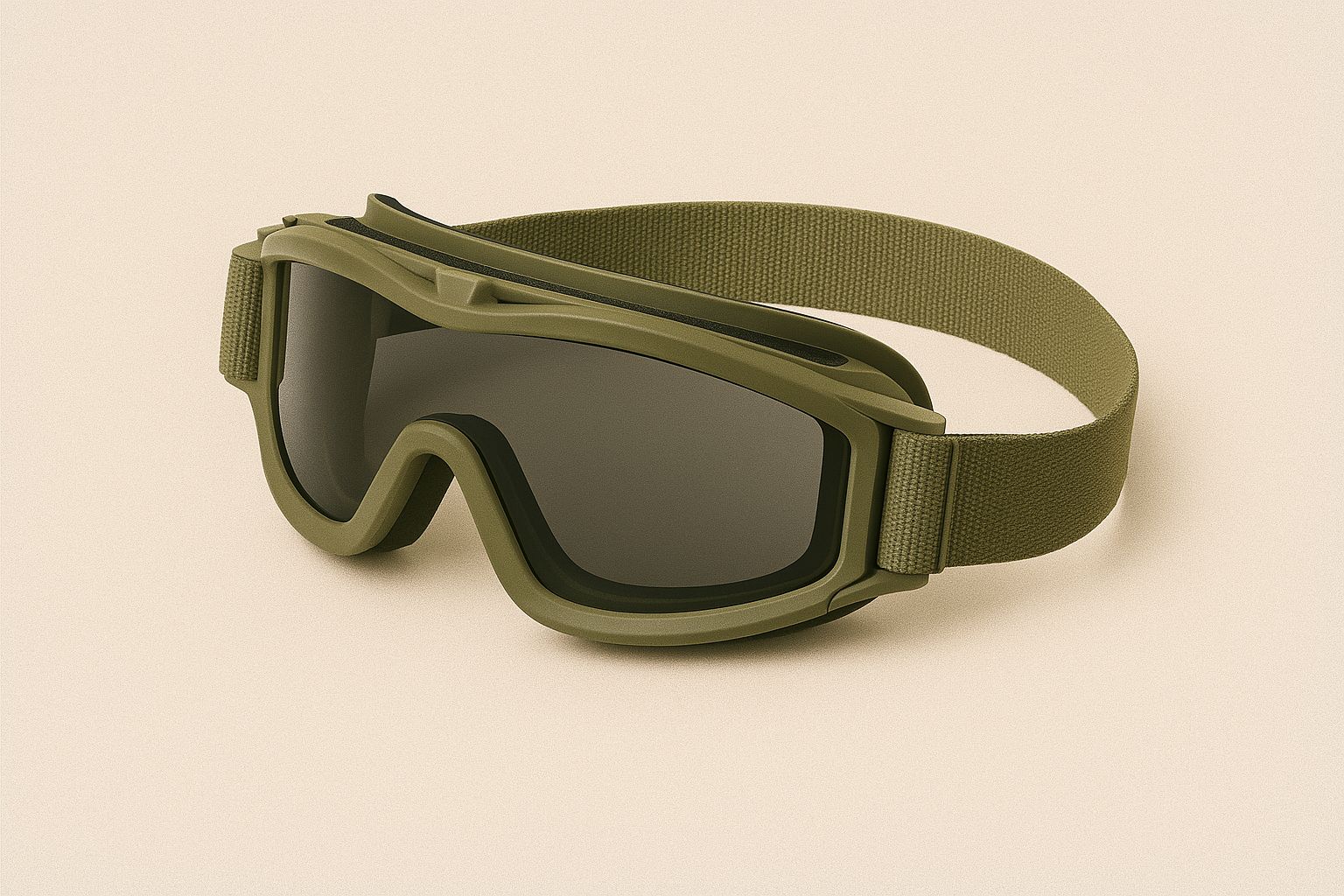
• Glasses and Helmet Accessories
Military glasses provide protection against UV rays and are resistant to impacts. Additionally, there are various accessories for helmets (radio communication, night vision).
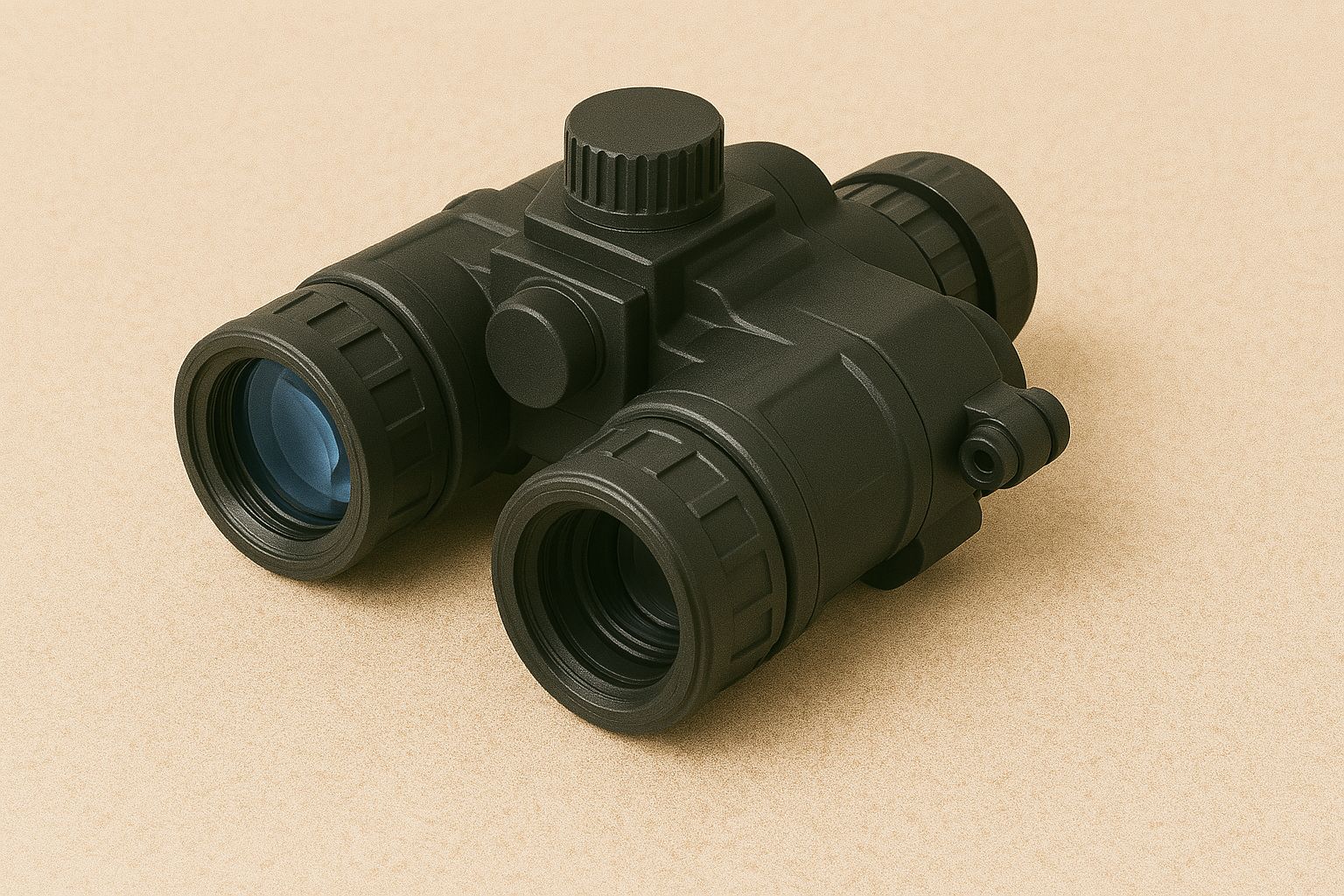
• Day-Night Binoculars
Used for target detection and observation in both day and night conditions, these optical devices typically feature thermal or night vision technology.
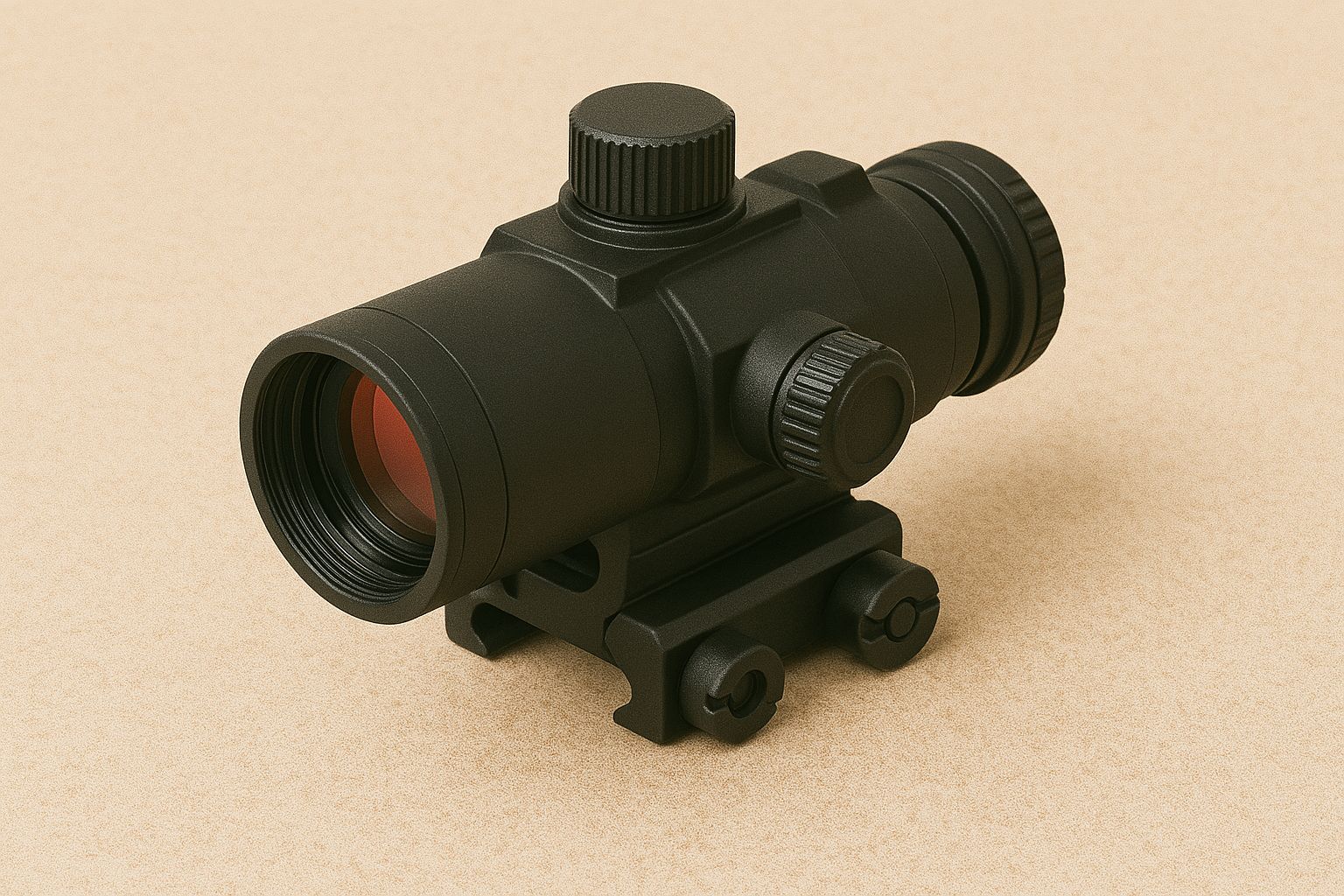
• Sight
A sight is an optical system mounted on a weapon, designed to precisely mark a target. It has models with thermal or night vision support for both day and night use.
• Ammunition Carrying Bags
Specially designed bags for carrying ammunition and other military supplies. These bags ensure the safe transportation of military materials.